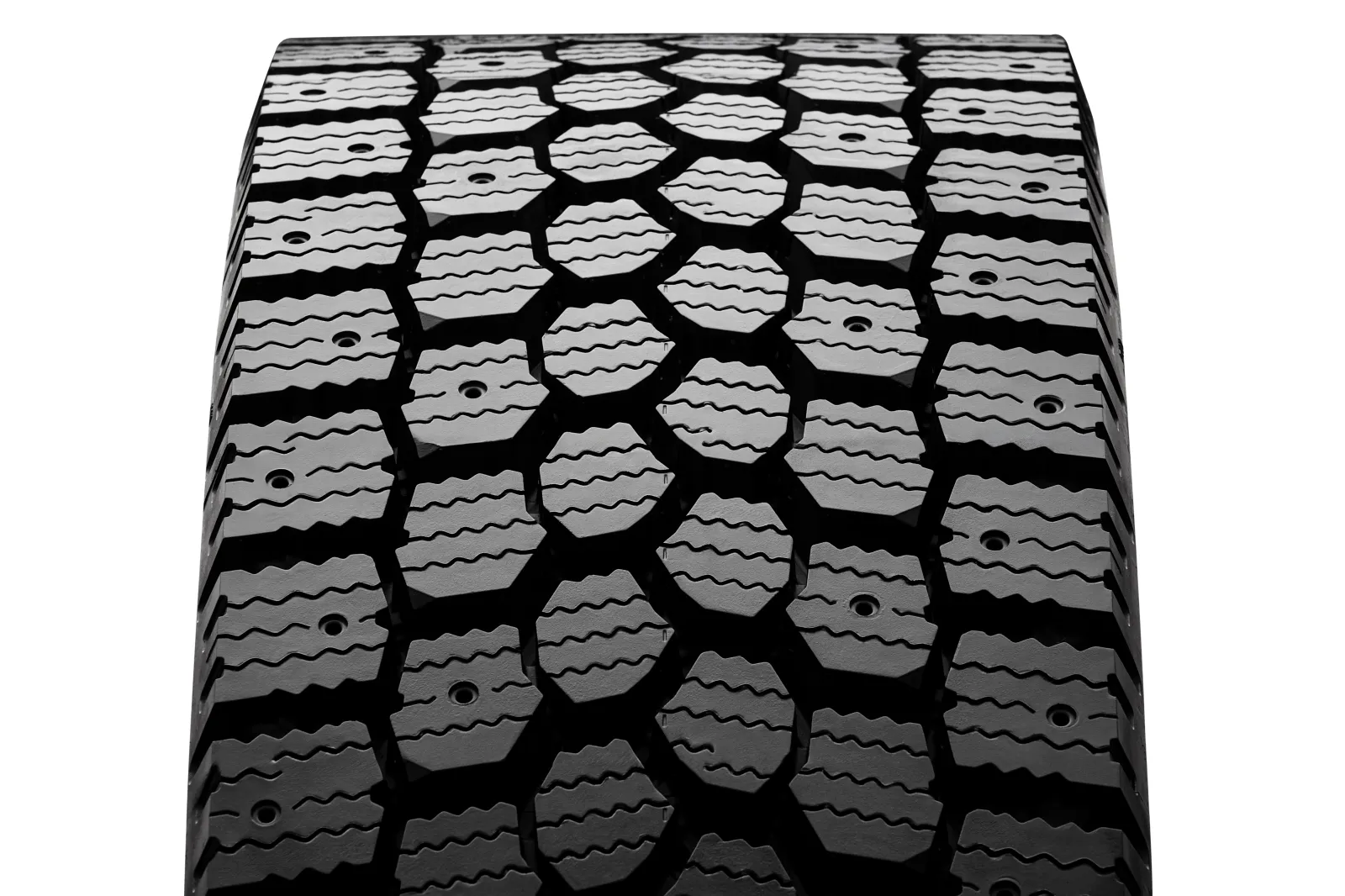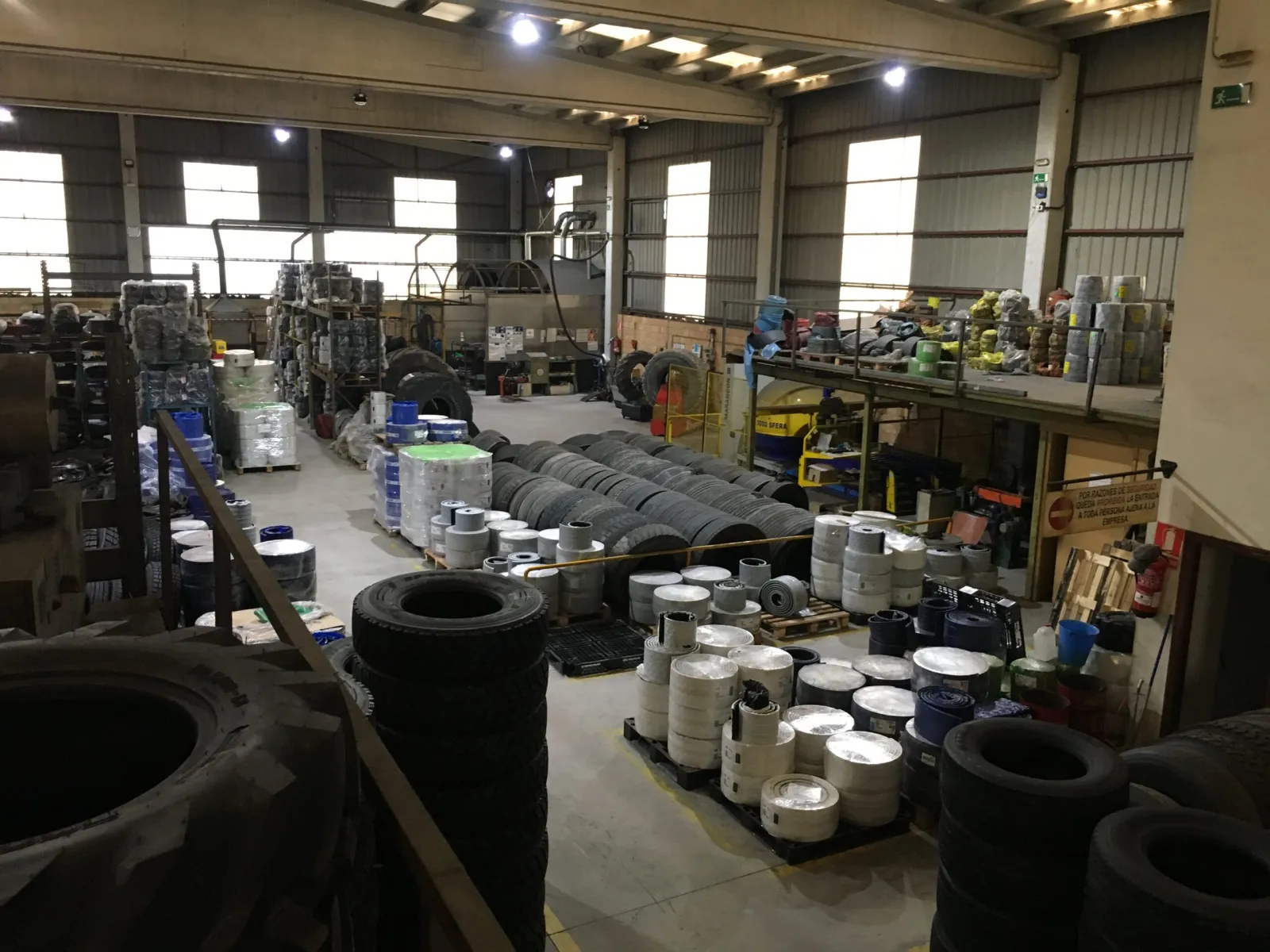
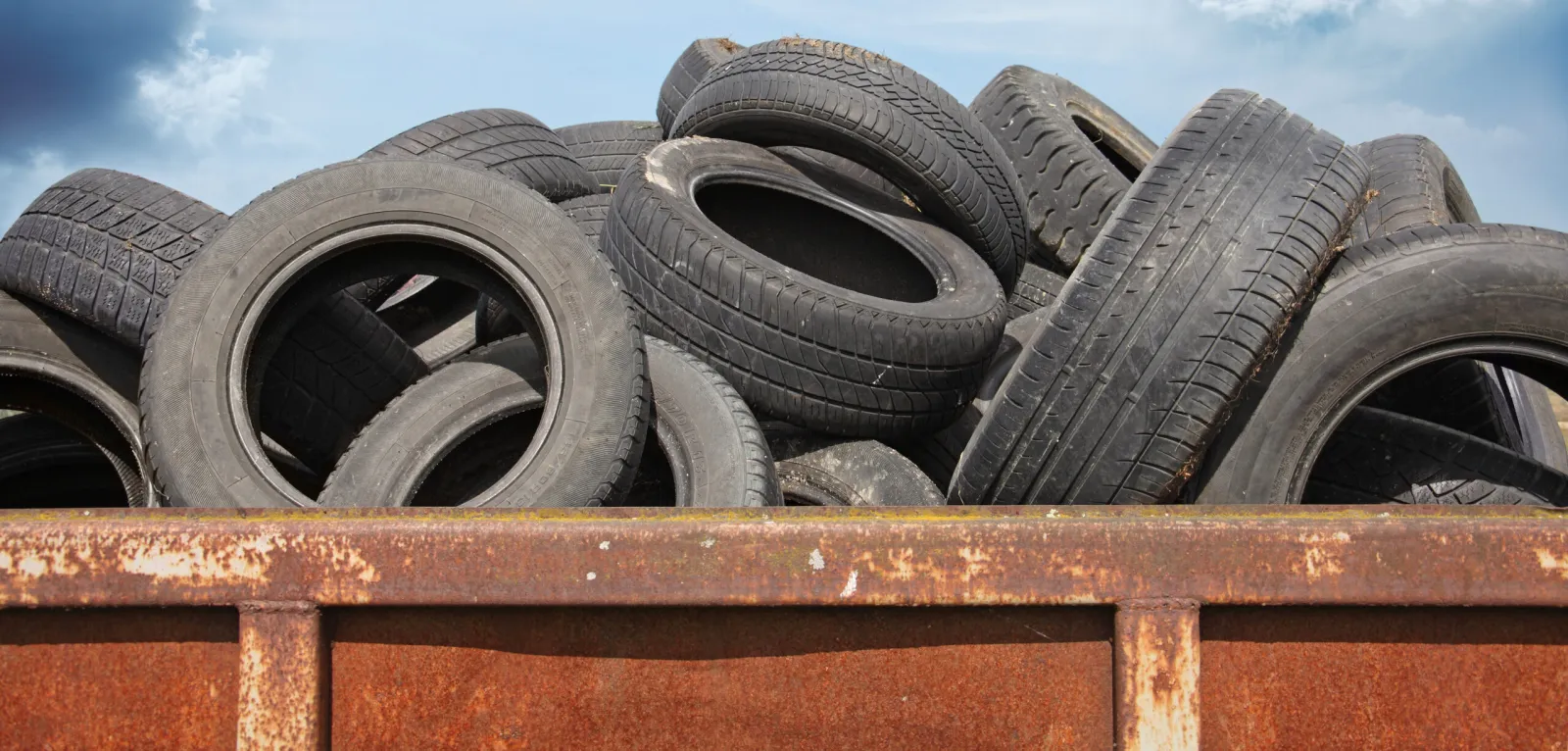
A new peer-reviewed study in the Journal of Cleaner Production provides quantitative evidence of the environmental benefits of retreading truck tyres. Based on an industrial case study in Italy, with key input from Marangoni, the research compares a new truck tyre with a tyre given a second life through retreading across the full lifecycle, from raw material production to end-of-life treatment.
Facts to Back up Industry Assumptions

The paper, “Cradle to grave life cycle assessment of retreaded truck tyres: an industrial case study in Italy”, was authored by Francesco Valentini, Gabriele Cucci, Vittorio Marangoni, Michael Leppert, Giorgio Brioschi, and Andrea Dorigato. The work builds on research conducted through the Department of Industrial Engineering at the University of Trento and examines retreading using Life Cycle Assessment (LCA) methodology.
The analysis centres on a 385/65R22.5 truck tyre. The researchers modelled both a virgin tyre and a retreaded tyre, with the latter comprising the original new tyre followed by one retreading cycle. The study assumed a service life of 160,000 km for the new tyre and a further 160,000 km following retreading, giving the retreaded system a total service life of 320,000 km. To compare the two systems on the same basis, the functional unit was defined as one tyre travelling 1,000 km.
Lower Impact Across All Categories
The results show a lower environmental impact for the retreaded system across every category examined. On average, the research calculates that retreading prevents approximately one-third of the environmental impact associated with supplying tyre service using new tyres alone.
Climate change impact fell by 39%, fossil resource use by 41%, and mineral and metal use by 40%. Acidification was 37% lower, freshwater eutrophication declined by 43%, marine eutrophication by 36%, and terrestrial eutrophication by 35%.
The largest calculated reduction was in water use (61%). Ozone depletion fell by 46%, while ionising radiation impact was reduced by 45%. The model also indicated a 40% reduction in the human toxicity cancer category and a 33% reduction in freshwater ecotoxicity.
The reductions were considerably smaller for some particulate-matter indicators, with PM10 declining by 1% and PM2.5 by 9%. The broader particulate-matter impact category showed a 4% reduction. Nevertheless, the retreaded system recorded a lower result in every environmental category included in the assessment.
The researchers attribute this overall advantage primarily to the fact that retreading avoids much of the additional material and energy required to manufacture another complete tyre. Reusing the existing casing reduces demand for natural and synthetic rubber, steel, textiles, and other materials, while also avoiding a substantial proportion of the energy required for new tyre production.
Natural Rubber Under The Microscope
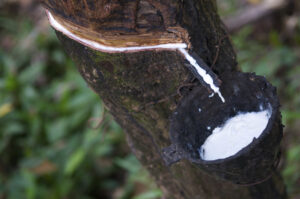
Natural rubber forms an important part of the study. The researchers developed a specific Life Cycle Inventory model for tyre-grade natural rubber, with particular attention paid to production in Thailand.
This matters because natural rubber remains a critical material for truck tyre manufacture, and its environmental impact extends beyond rubber processing to plantation establishment and management, fertiliser use, and land-use change.
In the model, natural rubber emerged as the material contributing most to the environmental impacts of both tyre systems. For the virgin tyre in particular, the raw material supply stage was identified as the largest contributor, followed by manufacturing.
The research therefore demonstrates an important aspect of retreading that can sometimes be overlooked. Its environmental value is not limited to reducing waste at the end of a tyre’s first life. By retaining the casing, retreading also reduces upstream demand for the materials and industrial processes needed to manufacture a replacement tyre.
Performance Remains Critical
One important assumption within the analysis concerns tyre performance. The study treats the rolling resistance of the retreaded tyre as equivalent to that of the new tyre, based on primary industrial data supplied for the product investigated.
This point matters in a cradle-to-grave assessment because the use phase can significantly influence a truck tyre’s overall environmental performance. If retreading resulted in materially higher rolling resistance, any additional fuel consumption during service could erode some of the environmental savings achieved during production.
The researchers specifically acknowledge this issue, noting that earlier studies have shown the overall result can depend heavily on rolling resistance. In this case, however, the industrial data indicated equivalent rolling-resistance performance between the new and retreaded products, allowing the material and manufacturing savings from retreading to remain decisive.
A Broader Measure Of Retreading’s Value
The study is notable for looking beyond individual production-stage indicators and assessing tyre service on a cradle-to-grave basis. Rather than comparing only the environmental burden of manufacturing a new tread with manufacturing an entirely new tyre, it considers the original tyre, its use, retreading, its second service period, and eventual end-of-life treatment.
The conclusion is clear within the limits of the case studied: using the casing for a second service life substantially reduces the environmental burden associated with providing the same distance of truck tyre operation.
The authors calculate average environmental savings of approximately 33% across the impact categories investigated. At the same time, they acknowledge that LCA results depend on the quality of the underlying inventory data and identify areas where further work, particularly around natural rubber production and land-use change, could strengthen future assessments.
For the retreading industry, the significance is that the environmental case is increasingly being expressed not simply through reduced waste or raw-material consumption, but through detailed lifecycle data covering a much broader range of environmental impacts. In this Italian industrial case, retaining a sound casing and returning it to service reduced impacts across every category assessed, providing further quantitative evidence of the role retreading can play in extending tyre life and reducing resource demand.