The retreading sector is always undergoing some form of technological transition. It’s often fairly slow, built on incremental gains and little wins over time that add up. However, REGOM seems to be intent on turning that on its head. With in-house teams of technical, AI, and machine-learning experts, their own engineers, and now a truly global reach, their tyre-sorting technology is setting new benchmarks for the pace of change.
Arthur Wagner, Director at REGOM, spoke to us recently on a trip to India for the Automotive Tyre Manufacturers’ Association (ATMA) Tyre Track (TTAC) Conference. We went into the company’s trajectory as it moves from 12 operational lines in Europe to over 20 this year, supported by a strategic push into North American and Asian markets, with some interesting new approaches to even wider expansion and a lot to take note of for retreaders around the world.
Technical Evolution: AI as a Process Tool
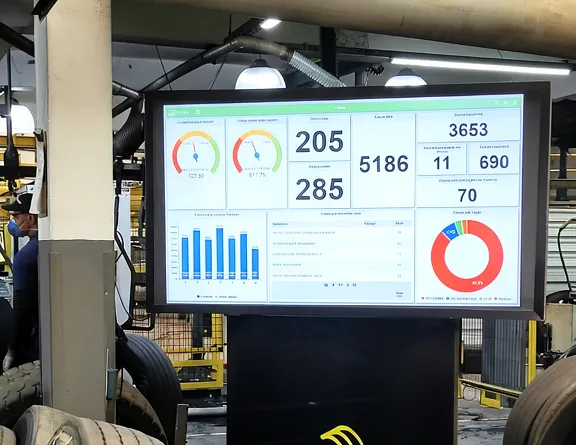
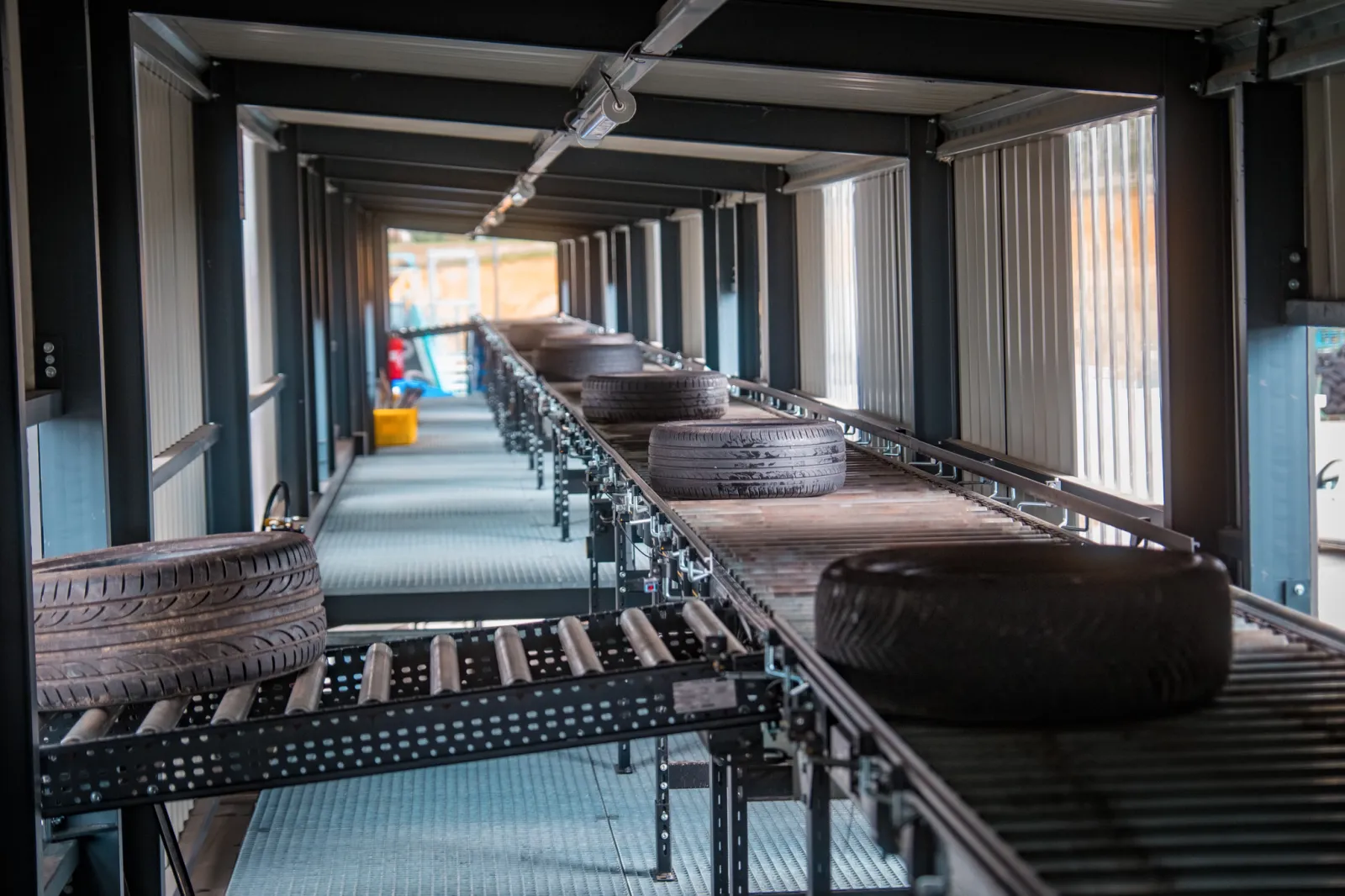
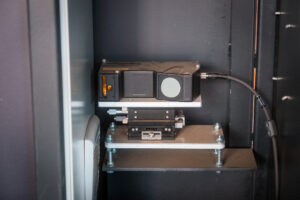 The rapid advancement of AI over the past six months has certainly driven increased interest in REGOM’s solutions. However, Wagner points out that AI is a tool for refinement rather than a standalone solution. REGOM already uses AI, and it has been integrated into the company’s systems for a while now. The additional interest is clearly welcome, but it’s clear that REGOM was doing AI well before it became the monumental trend it is now. This bedrock of being strong out of the gate with the latest technology, built directly into the REGOM platform, has enabled them to process a tyre every 2.4 seconds, an improvement from the previous 3-second benchmark, with a development goal of reducing this to 1 second. It won’t be long until a Guinness World Records consultant comes calling.
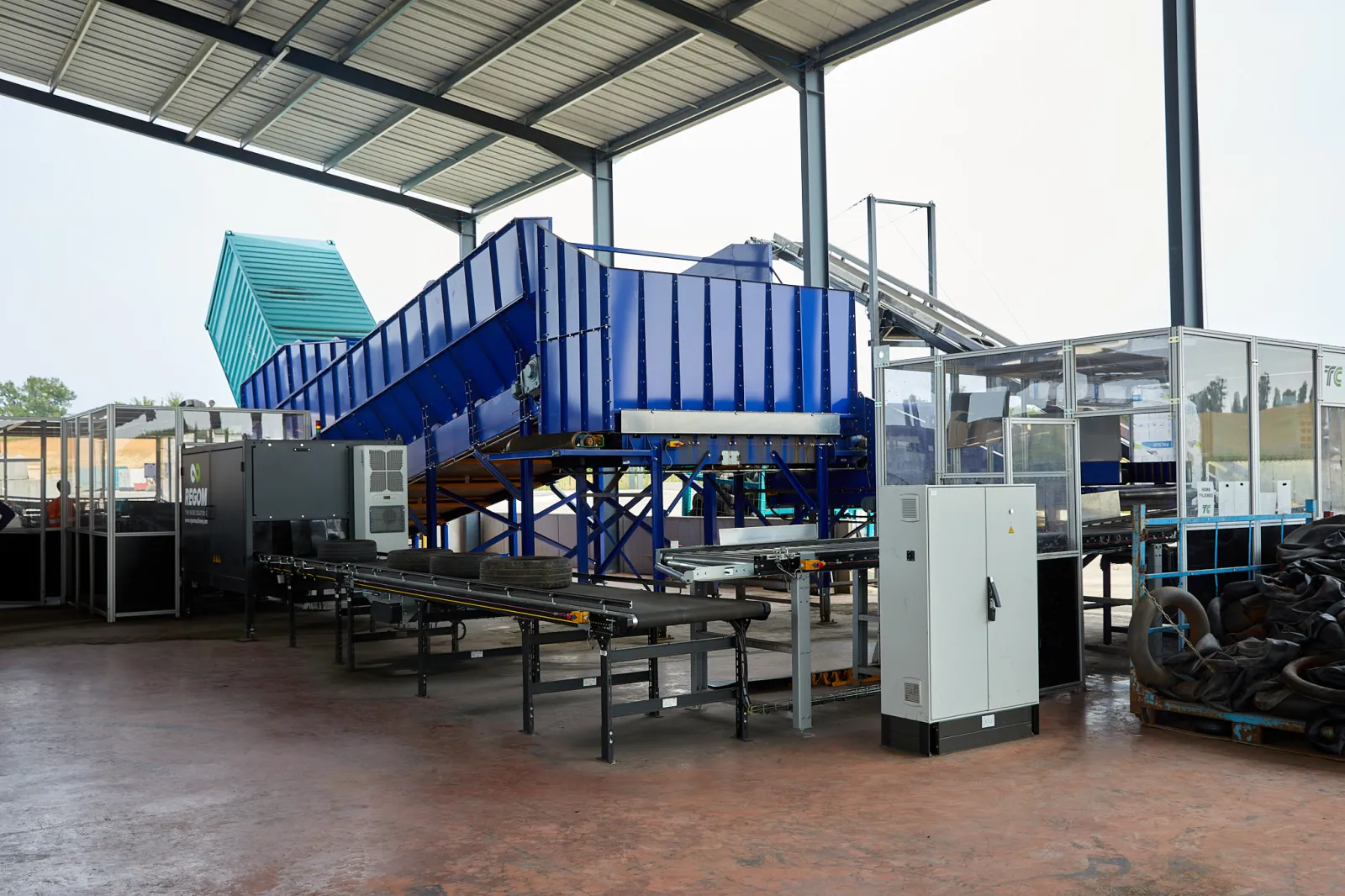
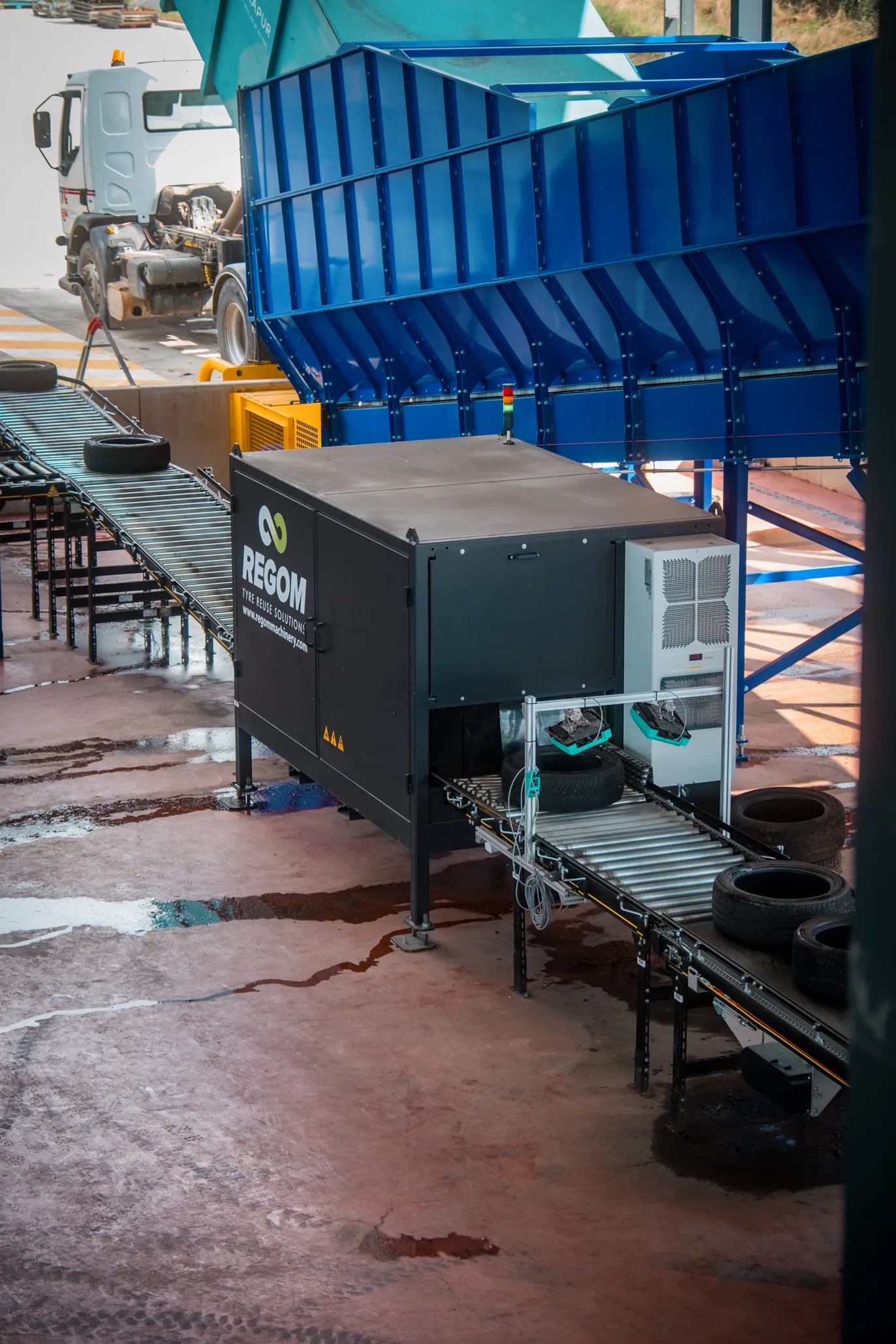
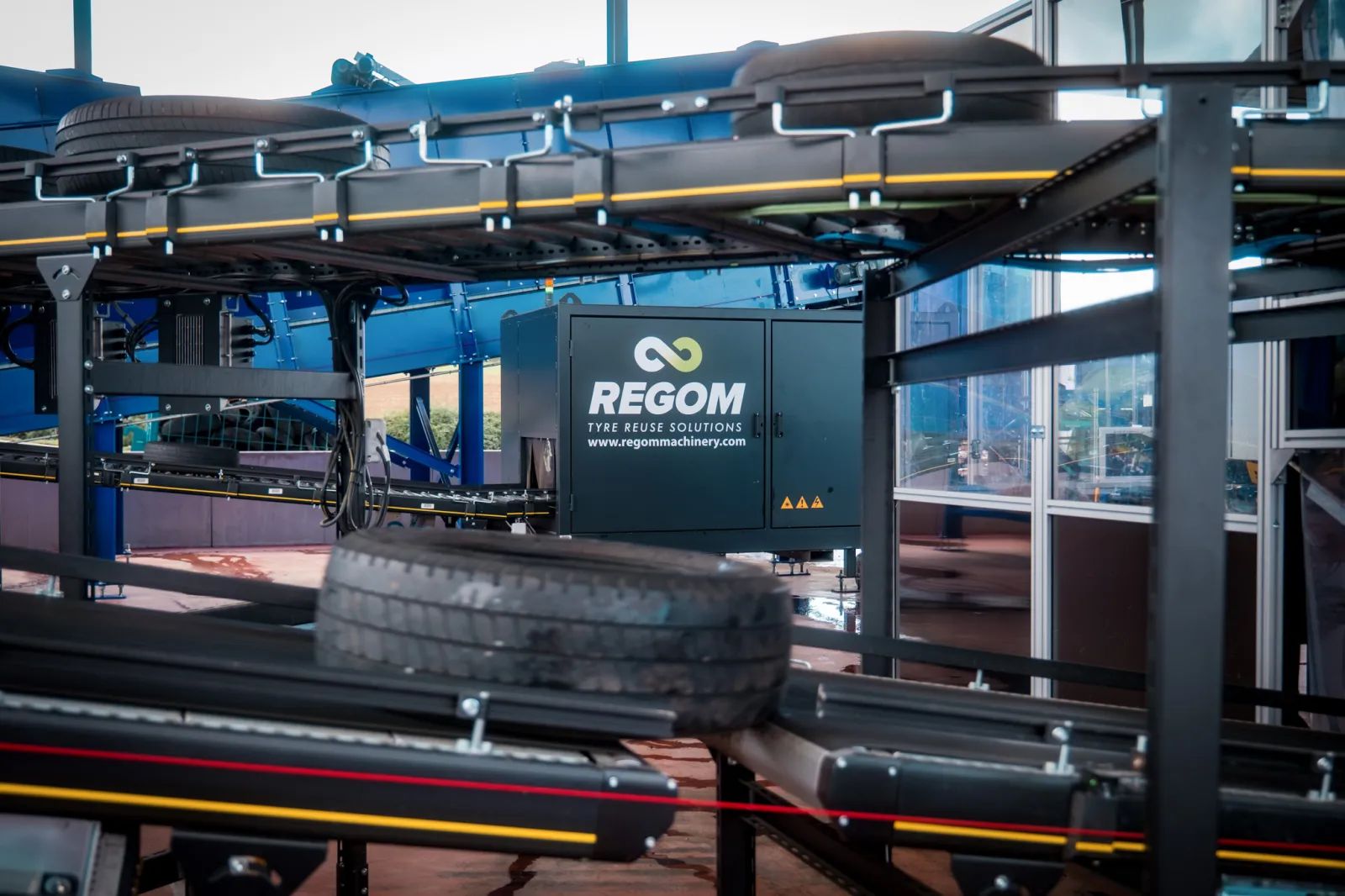
The integration of AI allows for enhanced data management, carcass recognition, and stock management. This evolution is particularly evident in the finalisation of three new products designed to streamline the grading and processing of truck tyres. By automating these traditionally labour-intensive tasks, the technology is also shifting the workforce demographic; Wagner observes that the reduction in manual physical strain has led to an increasing number of women entering the tyre processing sector. The system brings tyres one by one to the operator at an ergonomic height, eliminating the need to manually move them on the ground.
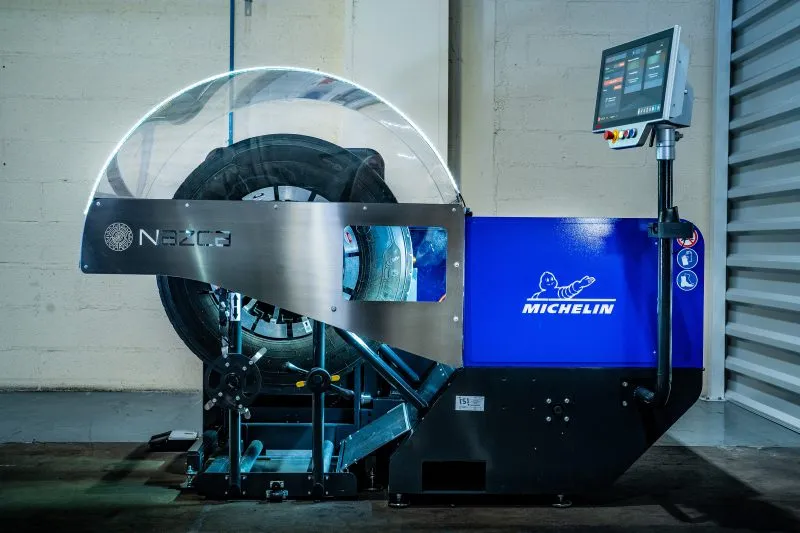
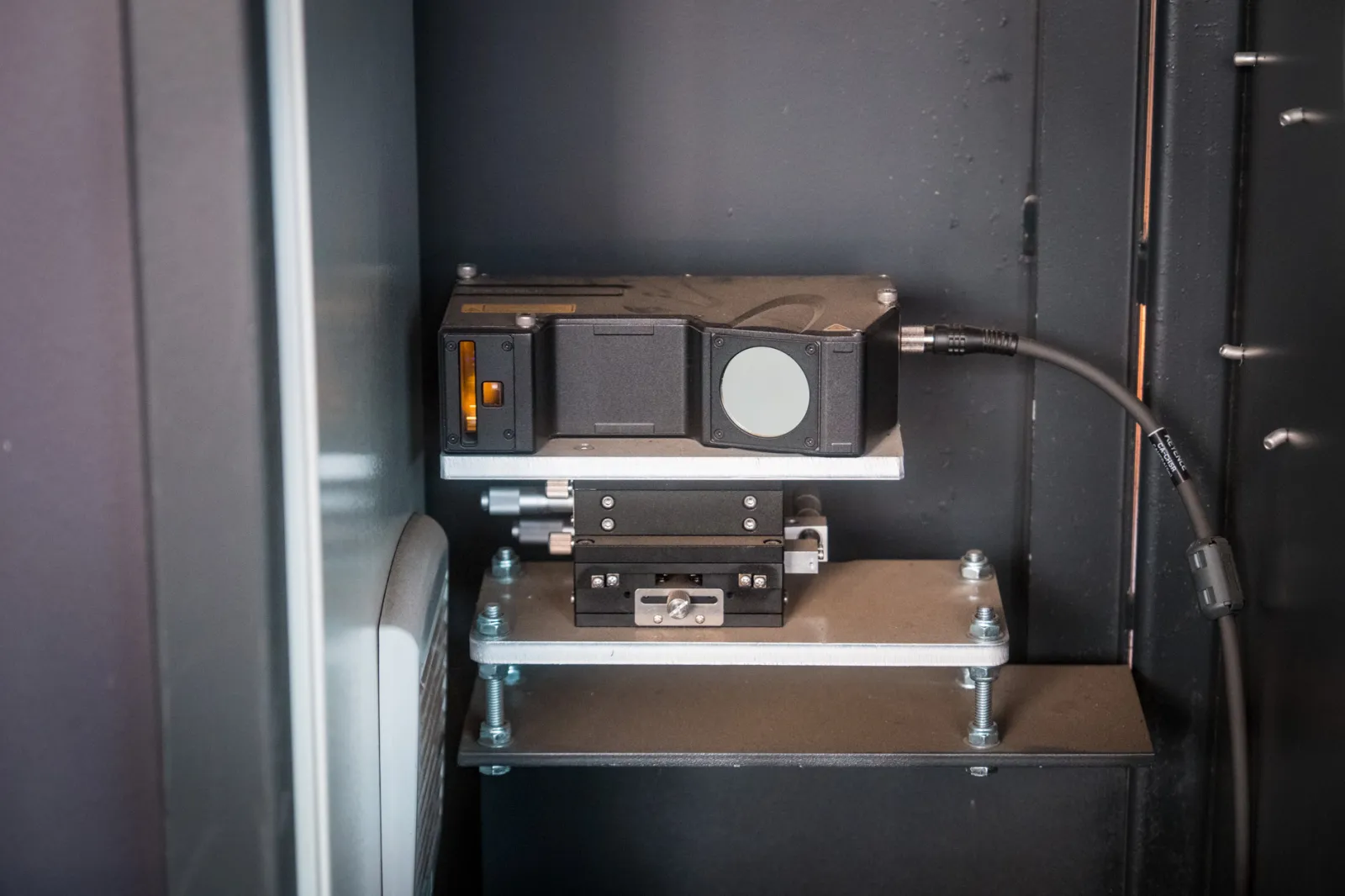
Perhaps the most significant technical development, however, is not AI, but the introduction of a new X-ray system designed to provide a comprehensive analysis of tyre integrity. This is not sherography; it’s almost identical to the equipment you will find in an airport. This system, featuring a large arch capable of feeding up to a two-metre wide conveyor, is engineered to detect contaminants, such as rocks, metal, and plastics, and structural breakdowns, effectively bulletproofing the screening process to prevent damage to shredders and granulators. Currently, a team of specialists is dedicated to developing this X-ray technology, and it keeps pace with REGOM’s sorting speed.
This innovation addresses the critical need for consistent feedstock, particularly for secondary processes such as pyrolysis. REGOM is involved in research programmes focused on finding the ‘best recipe’ for shredded material where consistency of output is the primary KPI. By managing variables such as chemical composition, silica content, and tread wear, the system provides a standardised output. Wagner notes that while other recycling sectors, such as plastics and metals, have long utilised pre-processing sorting, the tyre industry has historically lagged in this area. By removing the need for manual sorting before processing, the system improves the efficiency of downstream operations, whether for tread rubber or other recycling applications.
New Product Lines and the “U Line” Series
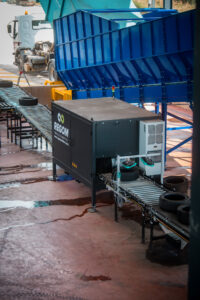 To cater to a broader range of industry players, REGOM is launching the U Line, or ‘Mini series,’ specifically adapted for passenger car tyres. This packaged, turnkey system is designed for rapid deployment, fits into a single container, and requires only a 10 by 15-metre footprint for installation. The setup can be completed within one week without stopping production.
The U Line offers significant operational gains, capable of processing 1.2 million used tyres per year with only two operators. This represents a direct gain of two to three operators compared to traditional manual methods. The system is being positioned as a “Software as a Service” (SaaS) model, supported by non-CAPEX financial solutions.
To complement this, REGOM is also working on a dedicated offer for larger truck tyres. This is designed specifically to assist retreaders and carcass graders in identifying viable casings. The equipment automates the inspection process, along with data recognition, data management, and stock management. According to Wagner, the machine functions similarly to the company’s existing light vehicle model but has been scaled to truck tyre dimensions, with software specifically adapted to the truck tyre sector’s requirements.
Strategic Expansion in North America
A key pillar of REGOM’s current growth strategy is its entry into the United States. While the fundamental process of tyre analysis remains consistent across borders, Wagner notes the need to adapt to regional market nuances. According to Wagner, while the personnel may differ, the physical characteristics of the tyres are remarkably similar across global markets, allowing the core technology to remain effective despite geographical shifts.
To support this expansion, REGOM has established a dedicated team in the US focused on training AI models and adapting software to meet local specifications. This team also oversees the engineering and installation phases of new projects. In a move to ensure operational efficiency and market relevance, the technology deployed in the US is 100% American-made, a production model the company intends to replicate as it expands into Asia.
The North American expansion has also been punctuated by high-profile industry appearances, notably at CES in Las Vegas. Representing a departure from traditional industry trade fairs, CES provided REGOM with a platform to engage with the RAIN Alliance and explore the intersection of tyre data and radio-frequency identification (RFID) technology.
Future Targets
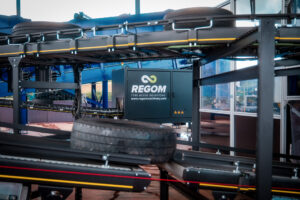 Looking ahead, Wagner identified Japan, India, Brazil, and South Korea as primary targets for expansion. The entry into the Japanese market has been a long-term objective, taking three years of preparation to navigate local regulatory and market requirements.
In India, the company is in the process of opening a dedicated subsidiary and has entered into a partnership with Plannex, a subdivision of the Intex Group. As one of the largest electronics producers globally, Intex Group provides a strong foundation for REGOM’s regional growth. This collaboration is expected to result in the signing of the first official orders in the region shortly. This move follows a trend among current customers to expand their existing lines, indicating sustained demand for automated sorting and inspection data.
As the industry moves toward greater transparency and efficiency, the role of automated data management and advanced inspection technology will continue to grow. For Wagner and the team at REGOM, the focus remains on integrating these tools to simplify the retreading and recycling process while maintaining the technical precision required by the global market.