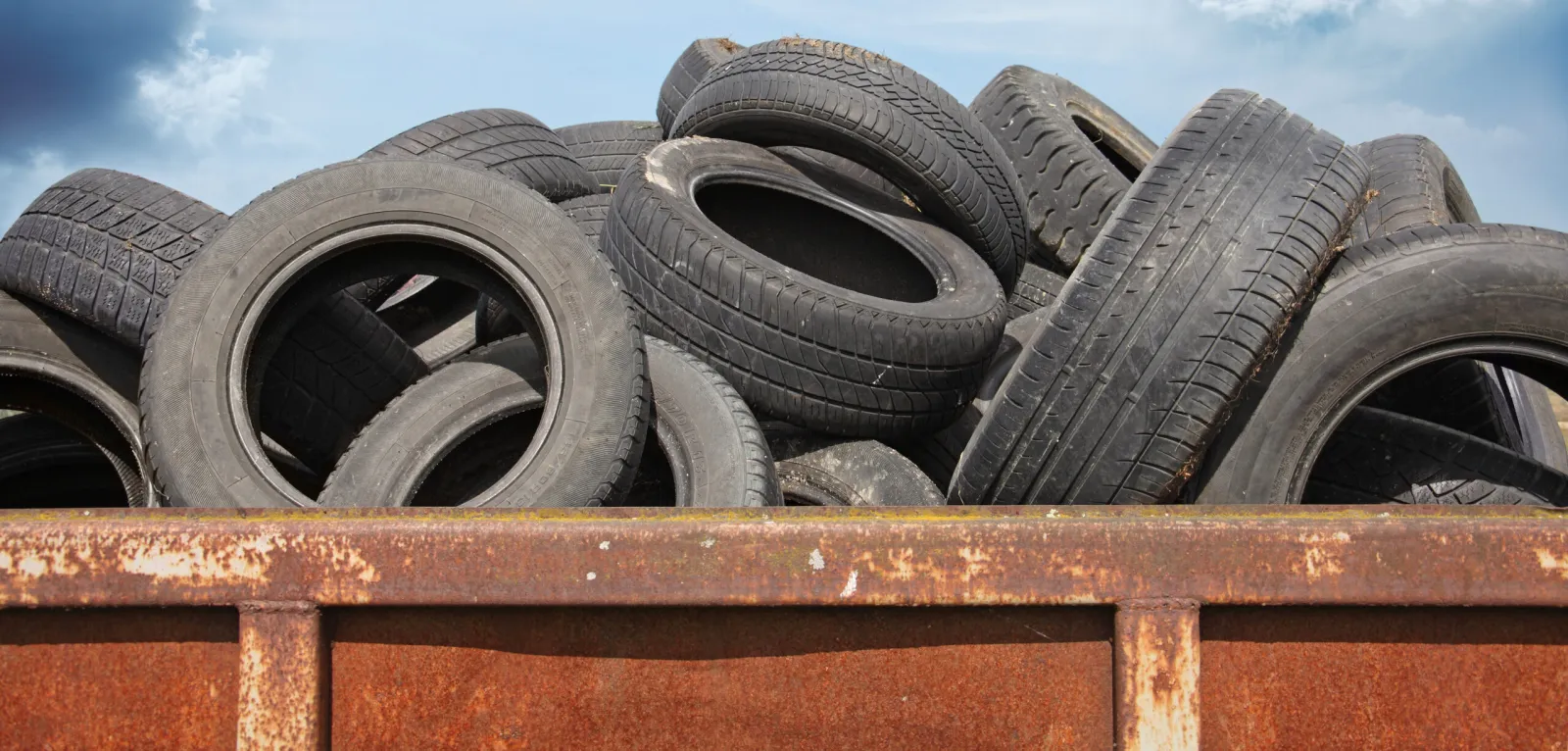
Tratamiento de Neumáticos Usados (TNU) is the Spanish non-profit organisation and authorised collective system responsible for the management and recycling of end-of-life tyres.
TNU has recently demonstrated that circular solutions can reduce petroleum consumption in truck tyres by up to 69 per cent and improve cost stability in the transport industry.
Retreading Shows Clear Opportunities for Cost Efficiency
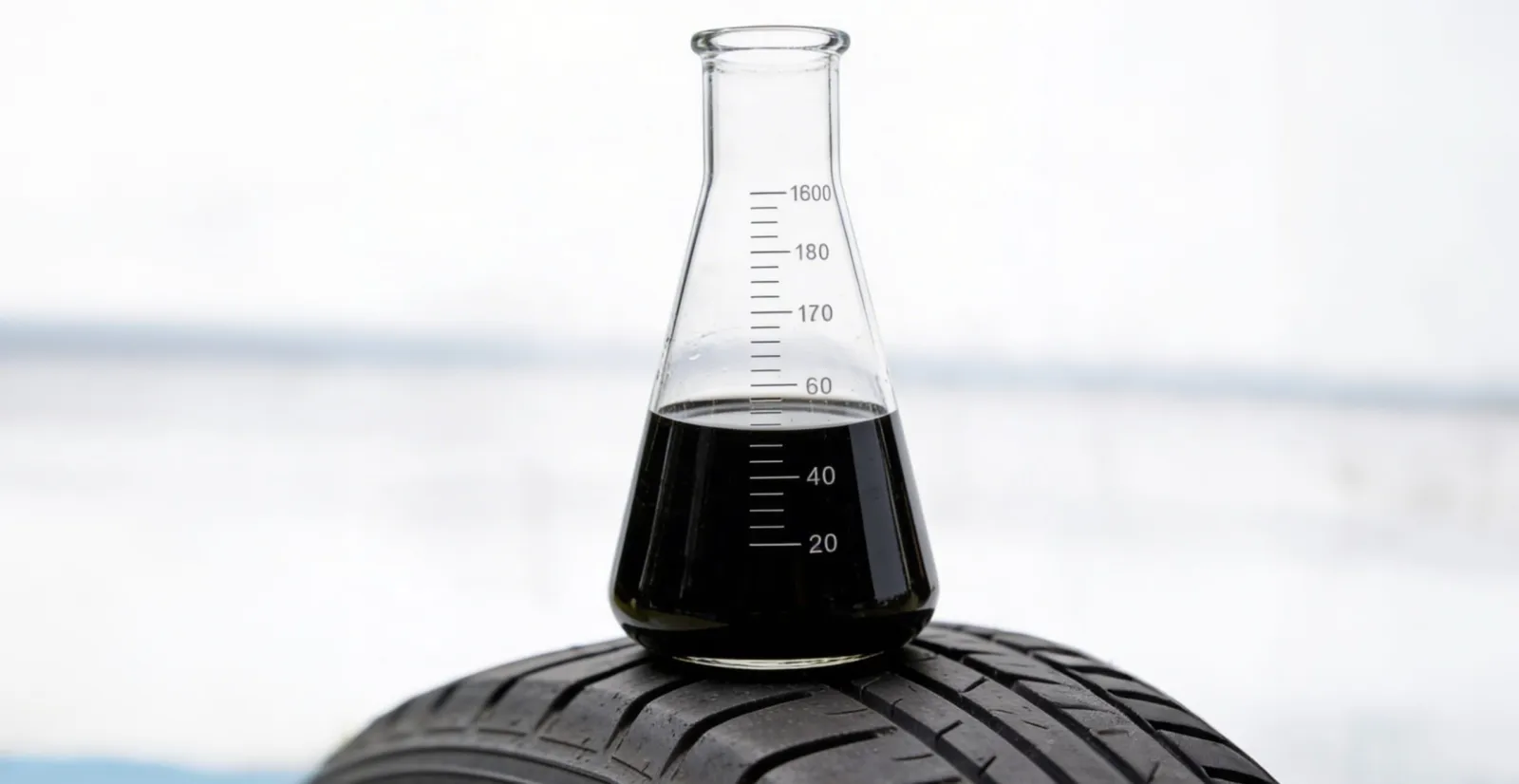
The tyre sector has reached a critical juncture where efficient resource management and reduced dependence on raw materials are becoming essential strategic factors. Tyre manufacturing is closely linked to the use of petroleum derivatives, which represent approximately 50 per cent of a tyre’s weight. This characteristic makes the sector particularly sensitive to fluctuations in global energy and raw material costs.
Within this context, solutions such as retreading are playing an increasingly relevant role by optimising material use, extending tyre life, and reducing exposure to market volatility.
The evolution of raw material prices can impact the final cost of a tyre, especially in high-intensity sectors such as transport. In the passenger car segment, small variations in production costs may be passed on to the final consumer during tyre replacements. However, in professional transport, where consumption is high, optimising cost per kilometre is a critical factor in competitiveness. Retreading buffers these effects by offering a more cost-efficient and resource-efficient alternative.
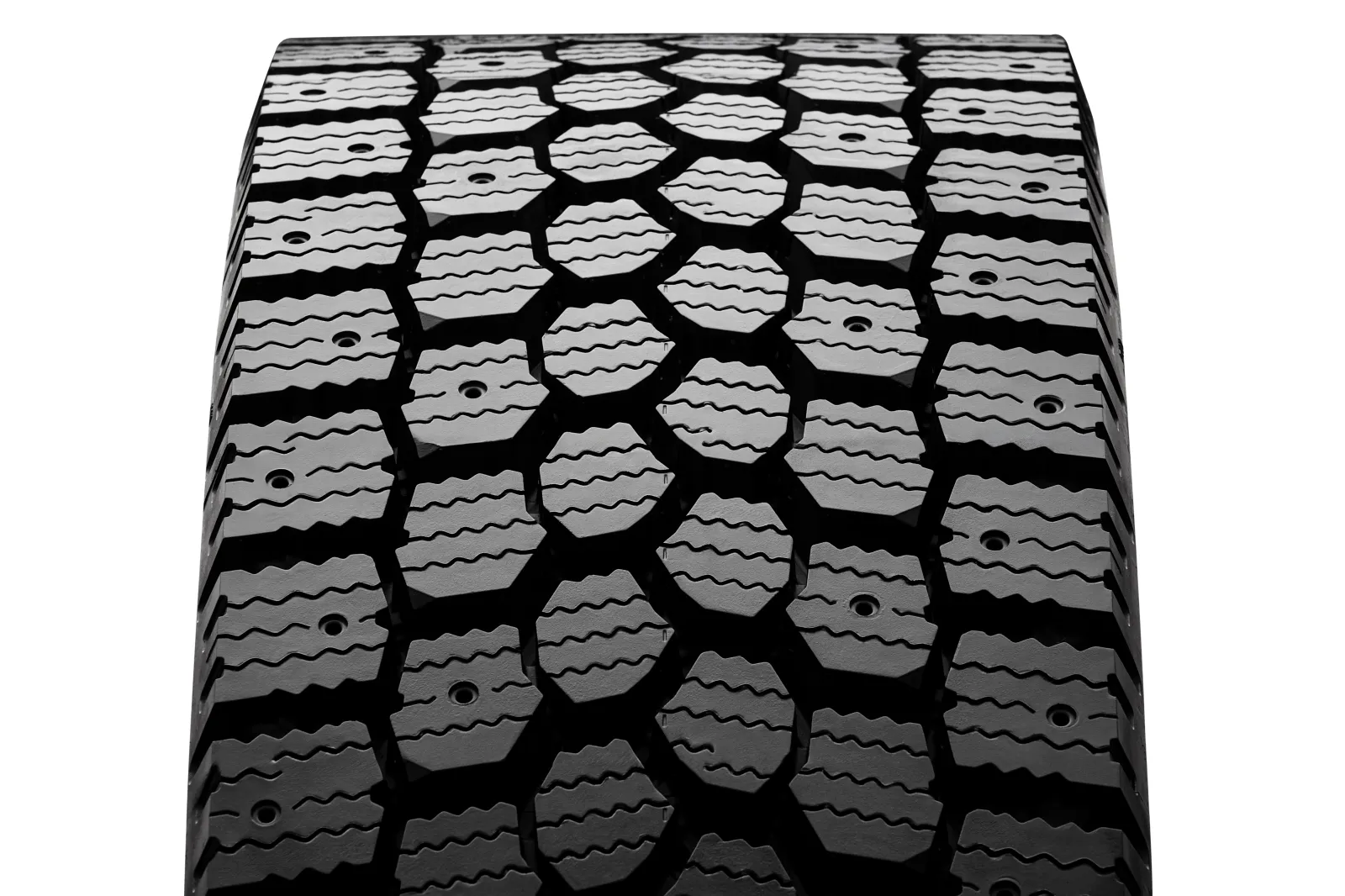
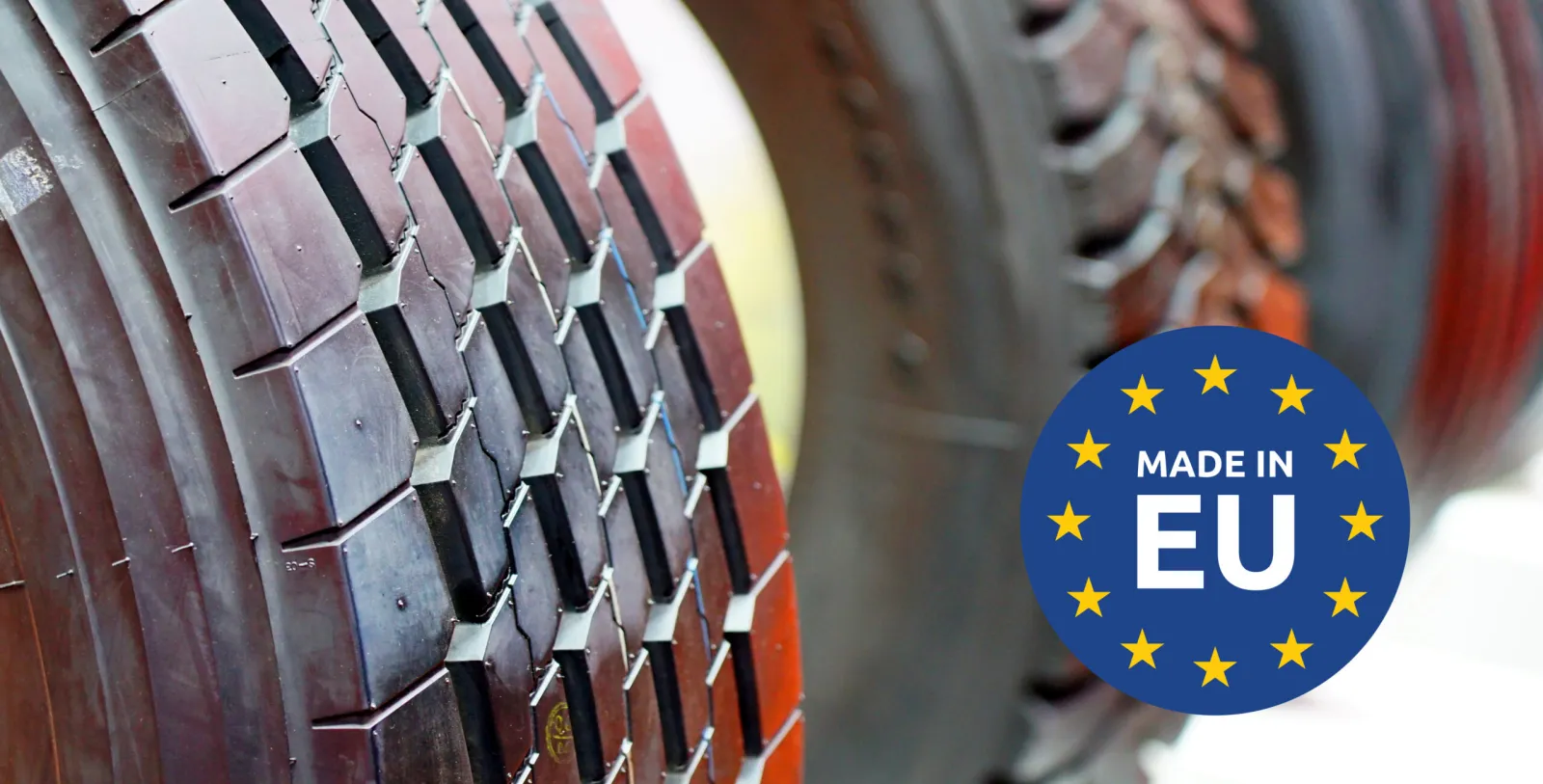
Retreading utilises the tyre casing, significantly reducing the requirement for new raw materials. This results in up to a 45 per cent reduction in petroleum consumption for passenger tyres, and more than a 69 per cent reduction for truck tyres. Furthermore, the process contributes to reducing manufacturing emissions, optimising material usage, and decreasing pressure on critical resources.
“Retreading provides stability in an environment of raw material volatility and strengthens the competitiveness of professional transport,” stated Javier de Jesús Landesa, operational director of TNU.
Spain possesses a vehicle fleet exceeding 34 million units, supported by a logistics sector that remains strategic to the economy. Moving towards more efficient, circular models provides both environmental and economic benefits, including improved cost stability, reinforced transport competitiveness, reduced dependence on external resources, and the promotion of the national circular industry. Retreading is positioned as a solution that combines efficiency, sustainability, and resilience, aligning with the sector’s current challenges.