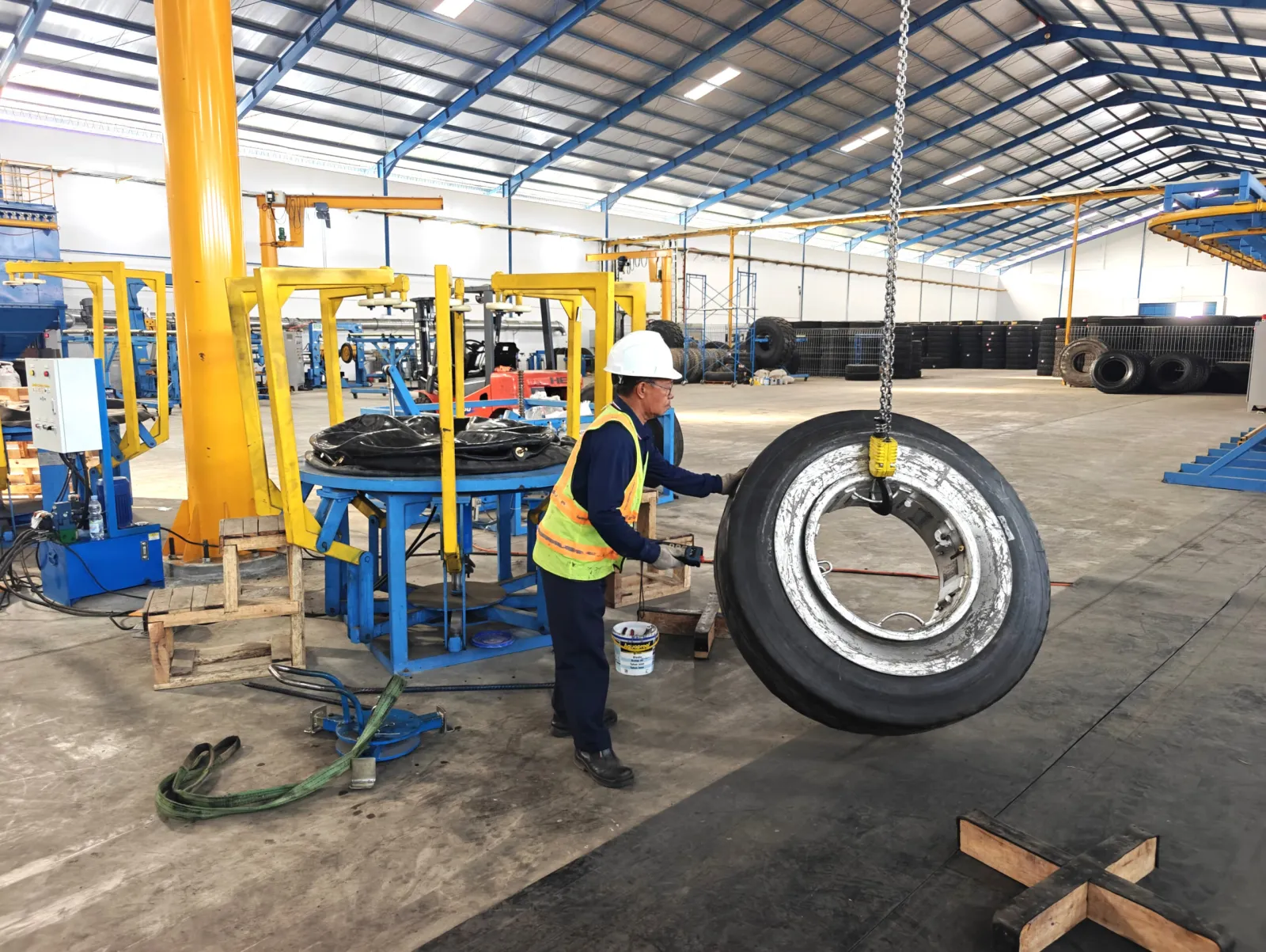
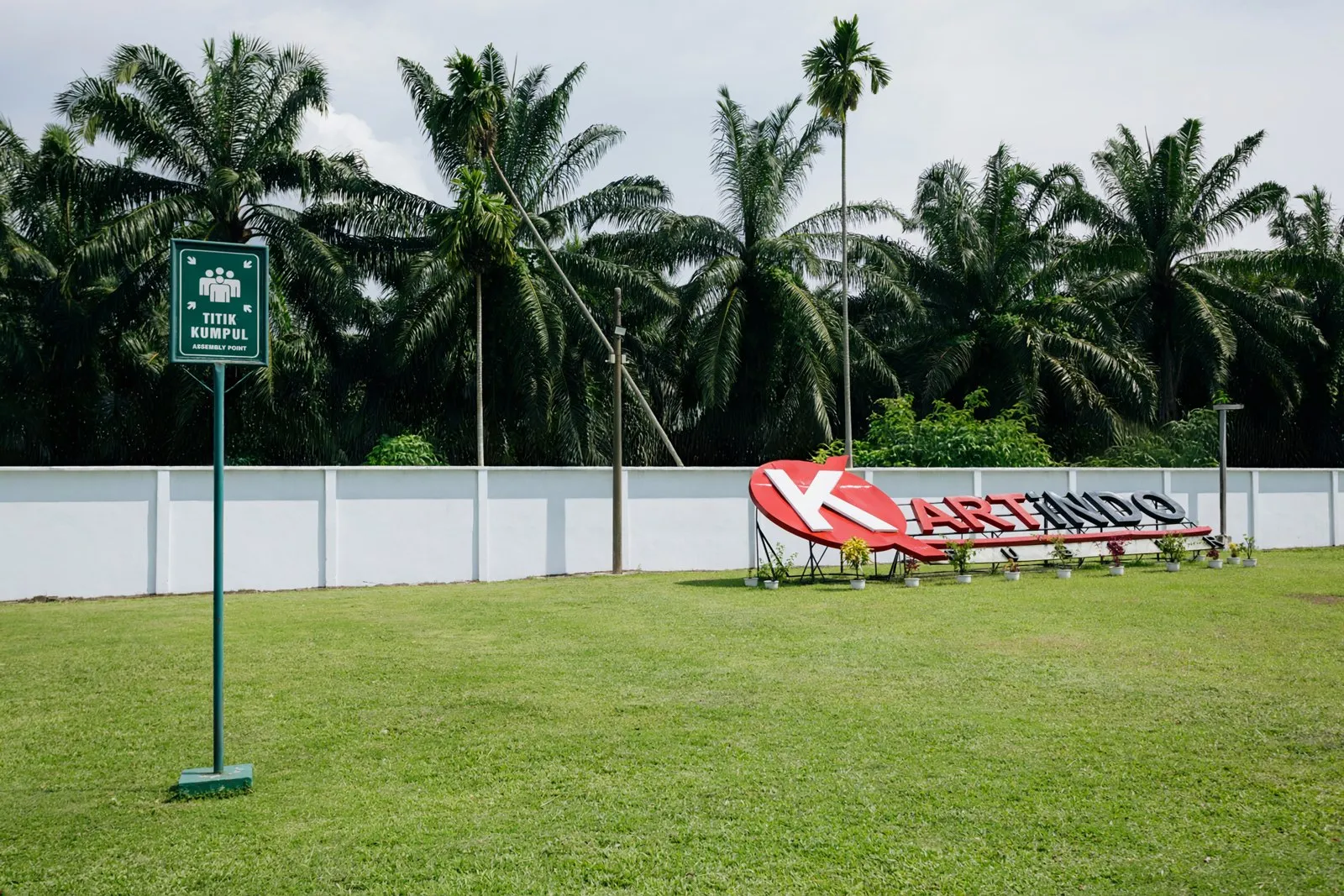
It’s 36°C and 65% humidity as we drive up to Kartindo’s Medan base of operations. Medan is the largest city in North Sumatra, Indonesia, and sits west of the world’s most economically critical waterway, the Strait of Malacca. Medan is a centre for producing and trading commodities such as cinnamon, tobacco, tea, coffee, rubber, and palm oil. We are here for the rubber.
Indonesian Rubber and the Retreading Opportunity
Tyres account for around 70–75% of global natural rubber use, and Indonesian rubber is a critical part of this supply chain for both new and retread tyres. Bridgestone, Michelin, Goodyear, Pirelli, Continental, and Yokohama all use Indonesian rubber in their new tyres. Japan and the United States are the two largest importers of Indonesian rubber. We’re not talking small amounts, either; Indonesia is the world’s second-largest producer of natural rubber after Thailand, with an output of 2.13 million tonnes in 2024. The Sumatra region, where Kartindo is based, accounted for approximately 1.61 million tonnes, or 75.5% of the national total, making it the centre of the country’s rubber-producing industry. We are truly in Rubber Country.
There’s a dichotomy that feels like it needs breaking down. The ‘global economy’, for want of a better phrase, has often left resource-rich countries supplying raw materials while much of the ‘value-added’ manufacturing happens elsewhere; this is true for all the resources mentioned above. Huge multinationals reap the rewards of the region’s fertile land and back-breaking labour. Often, the reason given is that local businesses cannot produce the required quality. Sometimes, this is true. However, our visit to Kartindo shows this is not the case for tread rubber production. Kartindo’s tread meets global standards and quality levels; it is an impressive operation by anyone’s standards. The established divisions of resources, only being manufactured effectively outside their local market, can, and should, now be questioned.
The retreading industry is also at a crossroads; every week, we hear the words ‘cost’, ‘efficiency’, ‘competition’, and ‘China’. Yet one potential solution often goes overlooked. For ‘Western’ markets, bringing together the strengths of their retreading industry and those of Indonesian tread producers could help address competition from low-cost new tyres, including Chinese imports. Good-quality, competitively priced tread materials could make retreads more commercially attractive and help increase retreading volumes. As we stepped out of the heat in Medan, we found ourselves asking: “Why is Indonesian rubber good enough for the tread producers of the world, but the tread produced in Indonesia is often maligned?”
Kartindo provided the answer: it really, really shouldn’t be.
Growth and Professionalism
At the heart of Kartindo’s operation is a growth story, not just in size, but in professionalism, in quality and operational development, so we met with co-owner and director Jason Tedja and business development manager Vincent Teh at the company’s factory in Medan to see for ourselves.

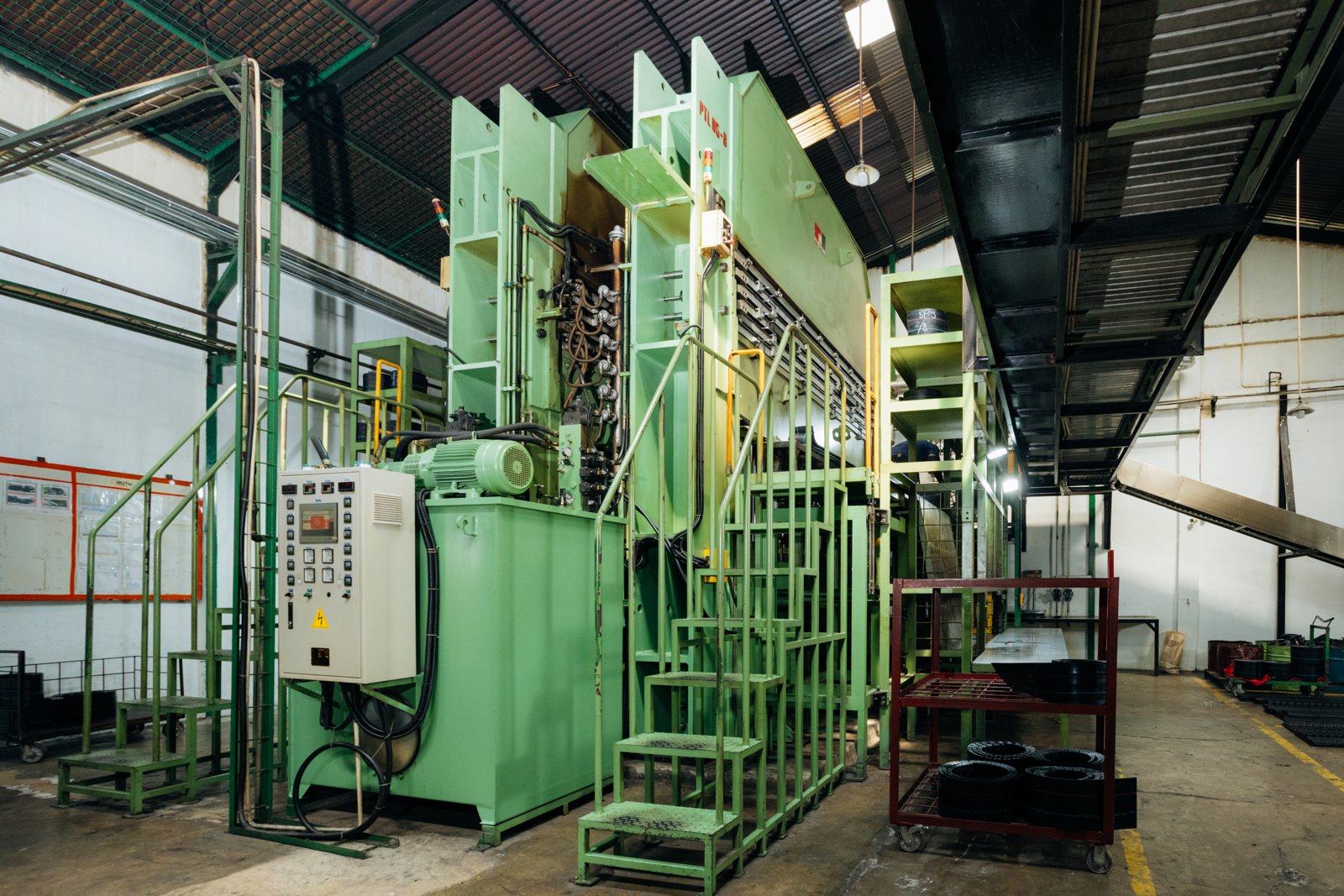
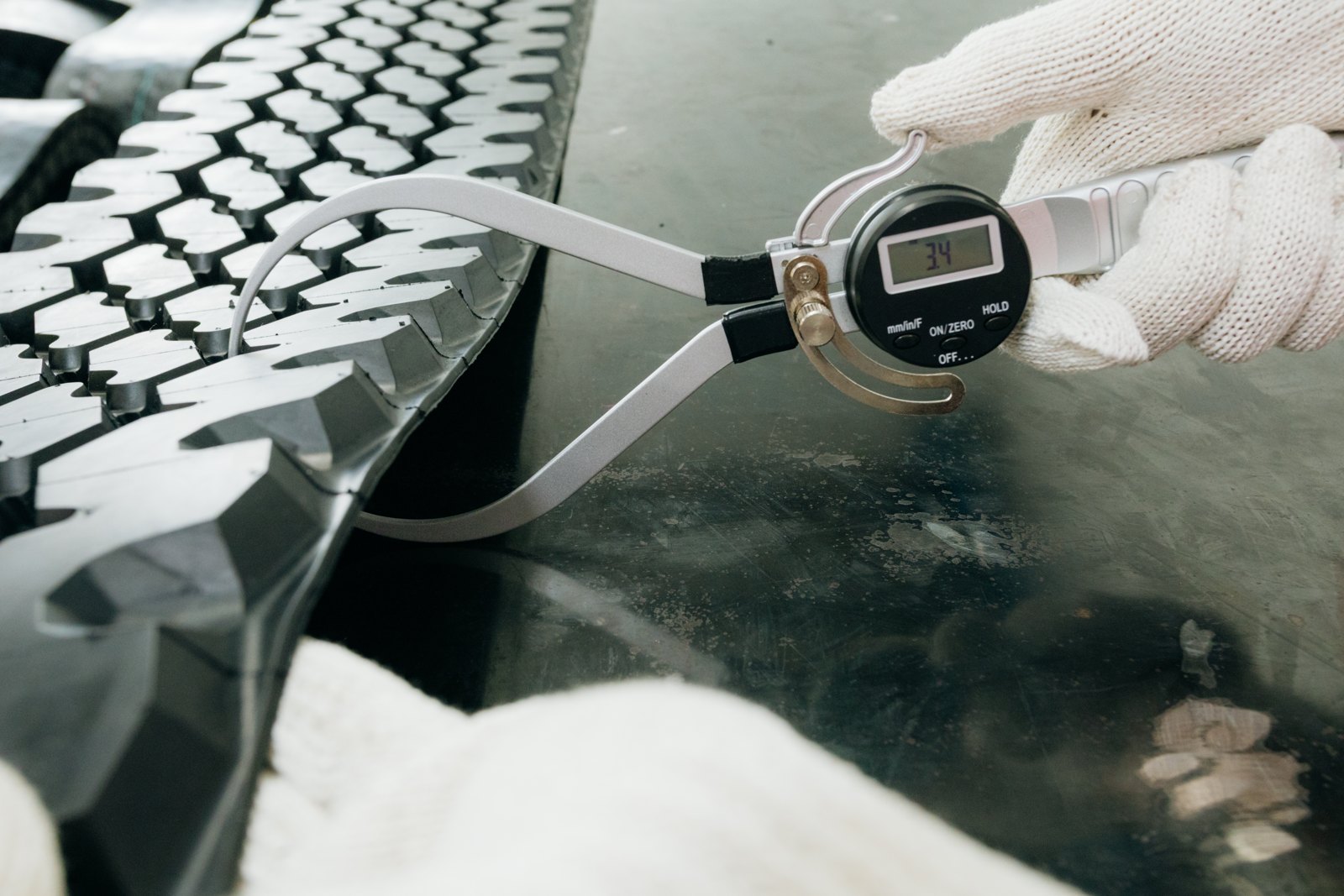
Kartindo was founded in 1990 and, like most retread businesses, is family-run. In its current guise, Jason Tedja is the second generation to steer the ship, but the third generation in the history of the operation and its predecessor, alongside his two brothers, who are also involved in daily operations. Jason is one of those rare people we over-index on in the retreading industry: an astute businessman and a genuinely nice person. Jason took over management in 2010 and set about modernising the operation. As we tour the factory, we can see the fruits of that labour. Discussing the new Matteuzzi line installed in the factory this year, Tedja makes clear what drove the investment: “It definitely does improve the quality. I think that is the number one key driver for the investment. We want the best machinery. We want the best quality for our customers.” The company plans a further on-site testing lab, more new equipment, and further expansion of mixing in the short term. Tedja expects to install a whole new line in the third or fourth quarter of 2027. Once operational, he said it should double the company’s mixing capacity. The investment would give Kartindo more production headroom as it develops sales in Indonesia and overseas, all testament to the improvements he has made. Alongside that, Kartindo sits at the confluence of what a company needs to be successful, as Tedja outlines: “We have competitive labour and energy costs, and we are bringing in the right technology to improve steadily.” He adds another key differentiator: “Of course, we have the local market and the markets surrounding us.” This is a critical point: few companies are embedded in a market of 288.4 million people, heavily reliant on road transport across multiple heavy industries that all need tyres and tread rubber for retreads. Tedja’s key focus remains production quality, new equipment, and the longer-term potential of Indonesia’s retreading sector, but at this point, growth across the board, and particularly overseas, seems inevitable.
A Domestic Market That Demands Distribution
Indonesia’s retreading market appears to be returning to growth, driven by expanding commercial transport, pressure on fleet operating costs and increasing demand from logistics and heavy industry. For Kartindo, there is still plenty of work to do at home. Indonesia accounts for the largest share of its business, and Tedja wants to continue to build domestic awareness of the benefits of retreading over the next three to five years, not just for Kartindo, but for the wider market. Mining, plantations and wider logistics remain central to this. Retreading’s fortunes, it seems, move with commodity prices, policy, and regulation, but Tedja expects demand for tyres and retreads to remain.
Serving this home demand takes some doing. Most people tend to think of a domestic customer as someone fairly close geographically; however, from Medan to the rest of Indonesia can mean a substantial freight journey. Indonesia is about 5,120 kilometres wide, more than the US and roughly equivalent to the distance from the west coast of Portugal to the Ural Mountains in Russia. “If you are talking about from Medan, where our factory is located, all the way to the furthest point, say Makassar, that takes three weeks just in freight lead time,” Teh explains.
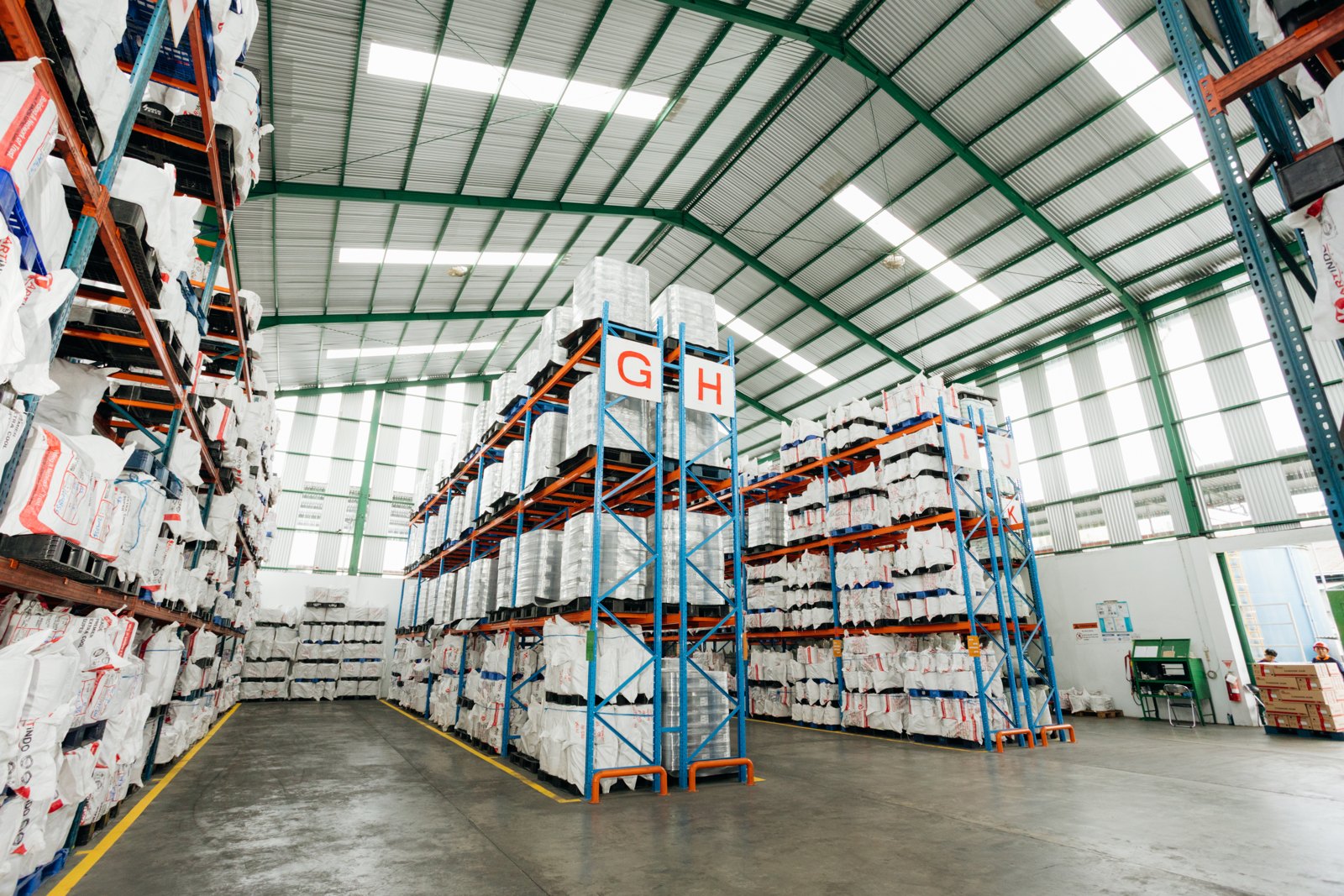
Kartindo has responded by building a distribution network that Teh describes as six warehouses across Indonesia, putting materials closer to the retreaders who need them. A factory can turn out good tread all day, but customers still need to get hold of it. Across Indonesia’s islands, distribution is a substantial part of the business. “We actually learned about this model locally, because we had to, not from going into the international markets,” Teh explains. “So, we built the experience of running a distribution network, and we now apply that same concept internationally.”
That is an easily overlooked part of Kartindo’s export story. The company has spent years figuring out how to supply smaller retreaders and distributors scattered across a large, demanding market. This experience provides a useful foundation for taking that expertise overseas. Kartindo already exports to markets across Asia, Africa, and the Middle East, as well as the UK, Australia, and New Zealand.
Finding the Right Way into a Market
Tedja is enthusiastic about international growth, but careful about how Kartindo pursues it. Manufacturing capacity alone does not tell you where to sell, who to work with, or what a customer actually needs.
Teh, as international business development manager, explained: “When we go to a new market, it is always the chicken-and-egg. Which one comes first? Do we invest in it, or do we wait for the market to be ready to accept us?”
The Kartindo approach is personal, tailored, and starts with open, honest conversations. Kartindo speaks with prospective customers, reviews their requirements, and identifies where its products could fill a gap. Once it chooses a market, it commits resources to developing it. “We do not jump from market to market,” he says.
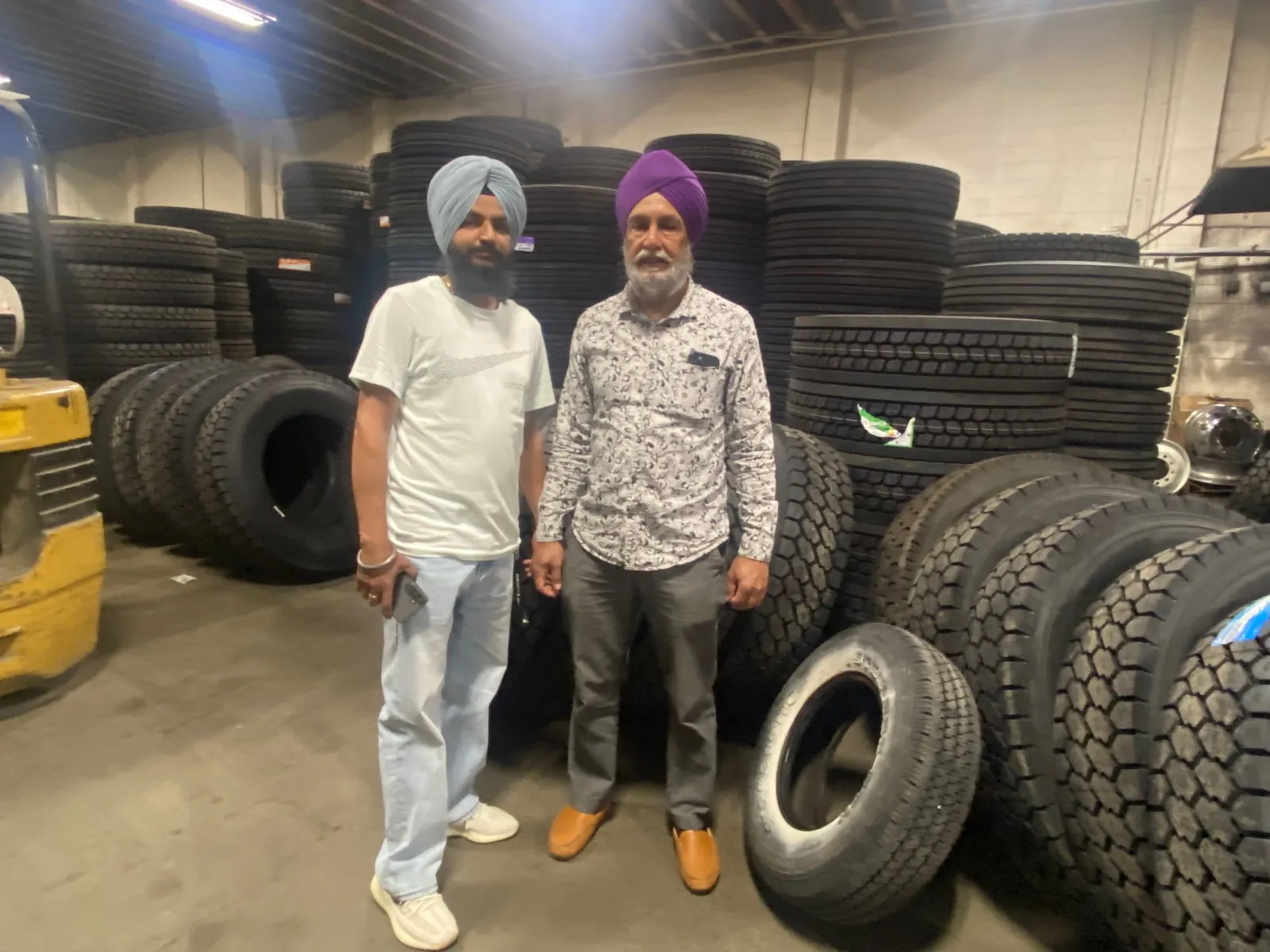
The route to the customer varies. In closer Asian markets, Kartindo prefers to deal directly with end users. Further afield, a distributor will likely provide the local knowledge and relationships needed to reach the smaller end-user businesses. In Kenya, for example, Teh says Kartindo already works with a distributor supplying smaller retreaders in East and Central Africa. It would like to develop similar arrangements in Europe and, later, Latin America or North America. For anyone familiar with the retreading industry, the reasoning is straightforward. Many customers are independent businesses. Reaching them, understanding their requirements, and maintaining those relationships from another continent is a considerable undertaking. A distributor who knows the territory brings more than a place to store rubber.
“We are very concentrated on producing good-quality products competitively, and we let our distributor use their market knowledge and expertise to sell,” Teh says. The division of work is useful. Kartindo can focus on making the materials as efficiently as possible, close to the source of the raw material, using the expertise and technology they’ve developed over the past 10 years, while its partner understands the people who will use them. It feels more like a ‘new tyre’ approach than a ‘retread tyre’ one, because it fully utilises the global supply chain to do the right tasks in the right locations. The domestic network has given the company experience of the first part; finding the right partners is central to the next.
A Conversation Europe Should Be Having
Europe comes up repeatedly in both interviews. Tedja sees room for Kartindo to contribute to the region’s retreading industry, while Teh looks to its processes and technology as a benchmark for the company’s development. “There is so much for us still to learn, but the direction we want to head in is towards what the Europeans are doing,” Teh says.
That willingness to learn sits alongside confidence in what Kartindo can offer. Tedja sees scope to combine the company’s access to natural rubber and competitive manufacturing with European technical expertise and knowledge of local markets.
“They have their strengths, and we have our strengths,” he says. “We are at the source of the raw materials and are able to produce goods competitively. They have the technology.”
“At the end of the day, every retreader is complaining about price, about retread versus cheaper new tyres, and being unable to compete. That should not be the case,” Teh continues. “Combining those strengths could help retreaders compete more effectively with lower-priced new tyres, including imports from China. Kartindo could supply competitively priced tread materials from a production base close to the raw rubber, while European partners would contribute technical expertise, efficient retreading processes, and customer knowledge. The aim would be to lower the cost of a retread without compromising its quality or performance, giving fleets a stronger financial reason to choose retreading and creating scope for higher retread volumes. Making that arrangement work would require the usual hard work of testing, service, and building confidence, but the starting point is there.”
Tedja is measured about the time involved. “Everything takes time to mature,” he says. His ambition is clear, as is his expectation that progress will come gradually.
From what we saw in Medan, Kartindo has given prospective partners good reason to take the discussion seriously. The investment in production is already visible. The commercial question is how to connect that capability with retreaders who could use it. “For us at Kartindo, we are always open to collaboration. We keep our minds and options open to see what is out there and what is feasible,” Teh says.
The People Behind the Equipment
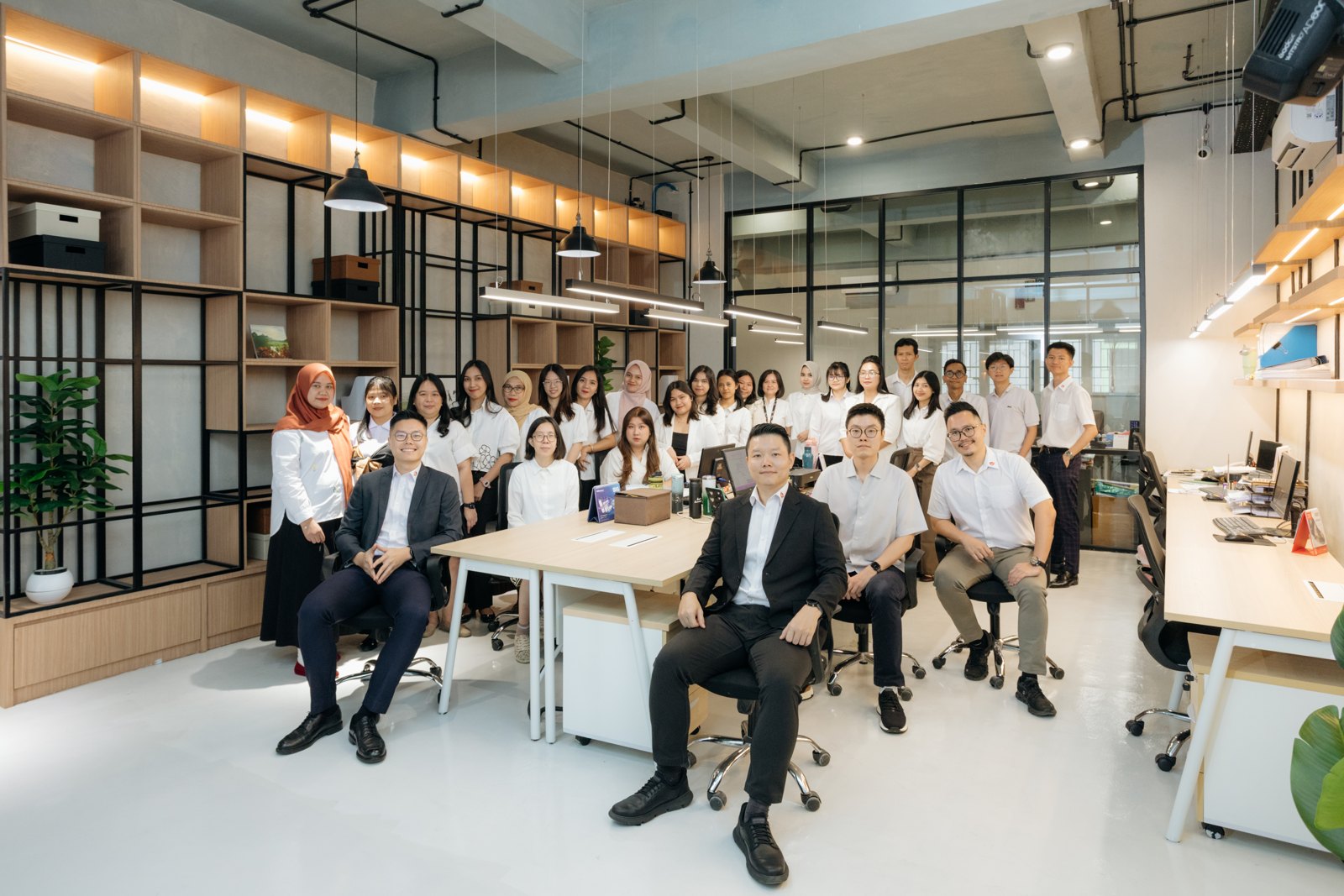
During any factory visit, new machinery naturally draws the eye. It is tangible, it photographs well, and it gives us something specific to ask about. Tedja, however, identifies human resources as one of the business’s challenges. As Kartindo grows, its workers grow with it.
That is an essential part of the investment story. More capacity increases demands on the people running the operation, and Tedja sees upskilling as work that must continue alongside equipment purchases.
Tedja’s explanation of Kartindo’s environmental and occupational health and safety certification gives another view of how the company is developing. He says the decision to seek certification came from within the business, rather than from customers insisting on it. “It is not something our customers require, to be honest,” he says. So why do they pursue it? “We feel that making this sustainable is something we know is required. We also need to take care of our workers in the long run. That is important.”
For a company looking to build lasting relationships overseas, that reasoning matters. Buyers need to understand how a supplier operates and what comes off its production line. This is also reflected in the company’s ISO certifications, including ISO 9001 for quality management, ISO 14001 for environmental management, and ISO 45001 for occupational health and safety management. The company expects further certifications as Kartindo grows, while Tedja says the company continues to adapt to changing environmental and safety requirements.
A Different View of Chinese Tyres
Eventually, as it does in almost every retreading conversation, the subject turns to China. Tedja’s response is more nuanced than the familiar complaint about cheap tyres.
“I think we have seen a huge improvement, and there are many factories that invest in automation in China as well, and they are upgrading their quality,” he says. He also sees more of those tyres being retreaded as their quality improves, and he expects sustainability to become a bigger consideration for Chinese manufacturers.
It is an interesting perspective from a tread producer. Competition from new tyres remains part of the picture, but so does the future supply of usable casings. Tedja is watching how the product changes, rather than treating Chinese tyres as a single, unchanging category.
Closer to home, he believes the Indonesian industry can strengthen its position through more consistent standards and better education. Fleets need to understand what retreading can offer, and the industry has a role in explaining it. “Everybody has to take part in this journey,” he says, “to educate the market, to make them more aware of what benefit they can bring to all stakeholders.”
There is still room to improve that understanding, even in a country with such substantial demand for commercial tyres. Tedja’s focus on domestic awareness reflects that opportunity. Producing better materials and helping customers understand their value are both part of market growth.
Ready for the Next Step
What stayed with us from the visit was both Tedja’s and Teh’s confidence. They recognise the difficulties: skills, distribution, customer acceptance, and the time needed to establish a business in another market. They also see plenty of room to grow.
“Retreading is irreplaceable,” Teh says. “It is a matter of having the right partnerships, the right systems in place, and the right processes in place.”
“Once you come and see the factory, it is not just the factory and the machinery, but the whole ecosystem that we have,” Teh says. That is where the factory visit helps. It puts something concrete behind the conversation: the investment Tedja has made, the distribution experience Teh describes, and the further capacity planned for the business. This gives a prospective partner something concrete to examine.
Indonesia already supplies the world with natural rubber. Kartindo wants to take more of the manufacturing work, and the value it creates, further along that journey. After spending time in Medan, we can see why. For retreaders looking at their next source of tread rubber, there is a company here worth getting to know.