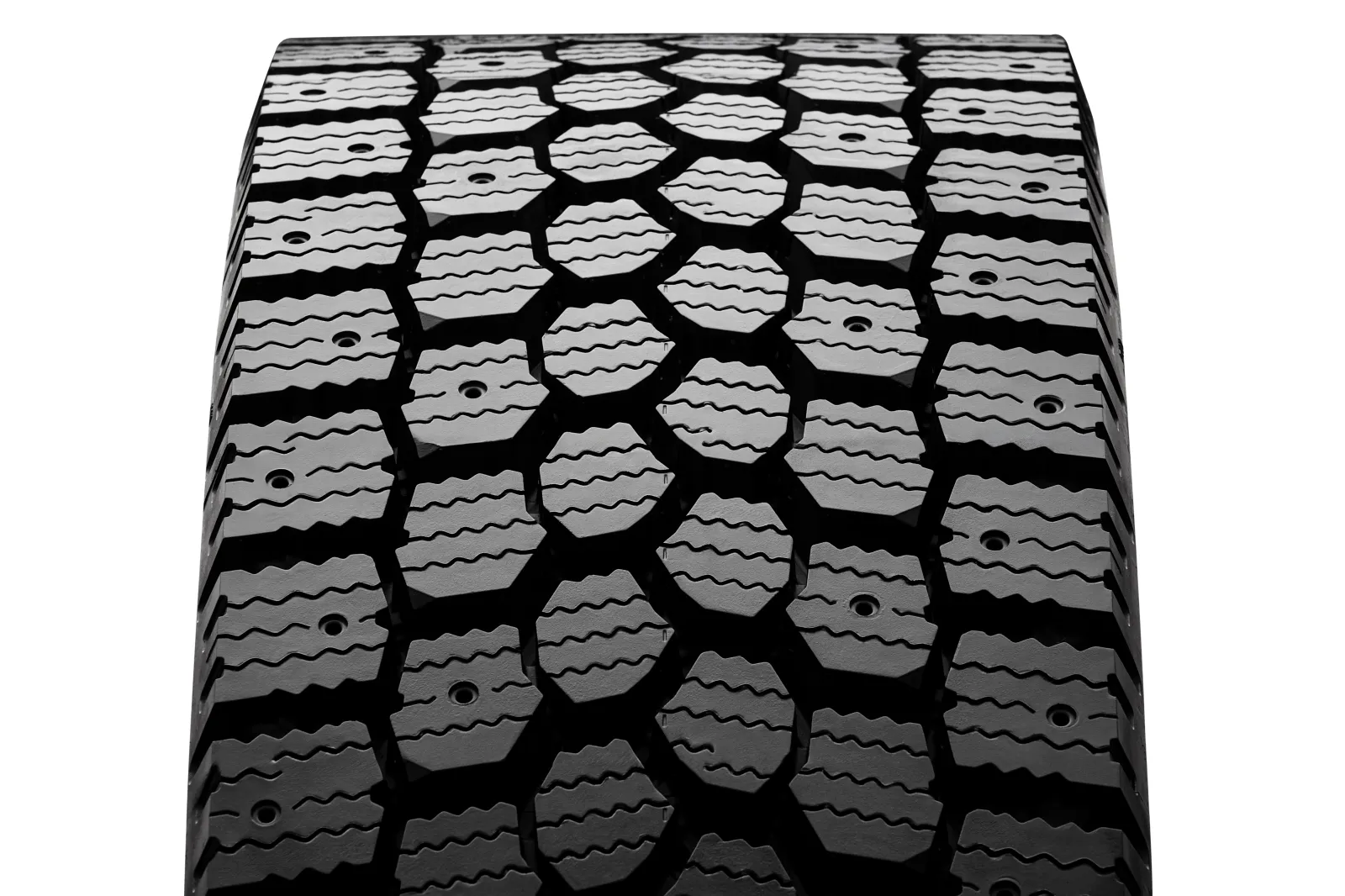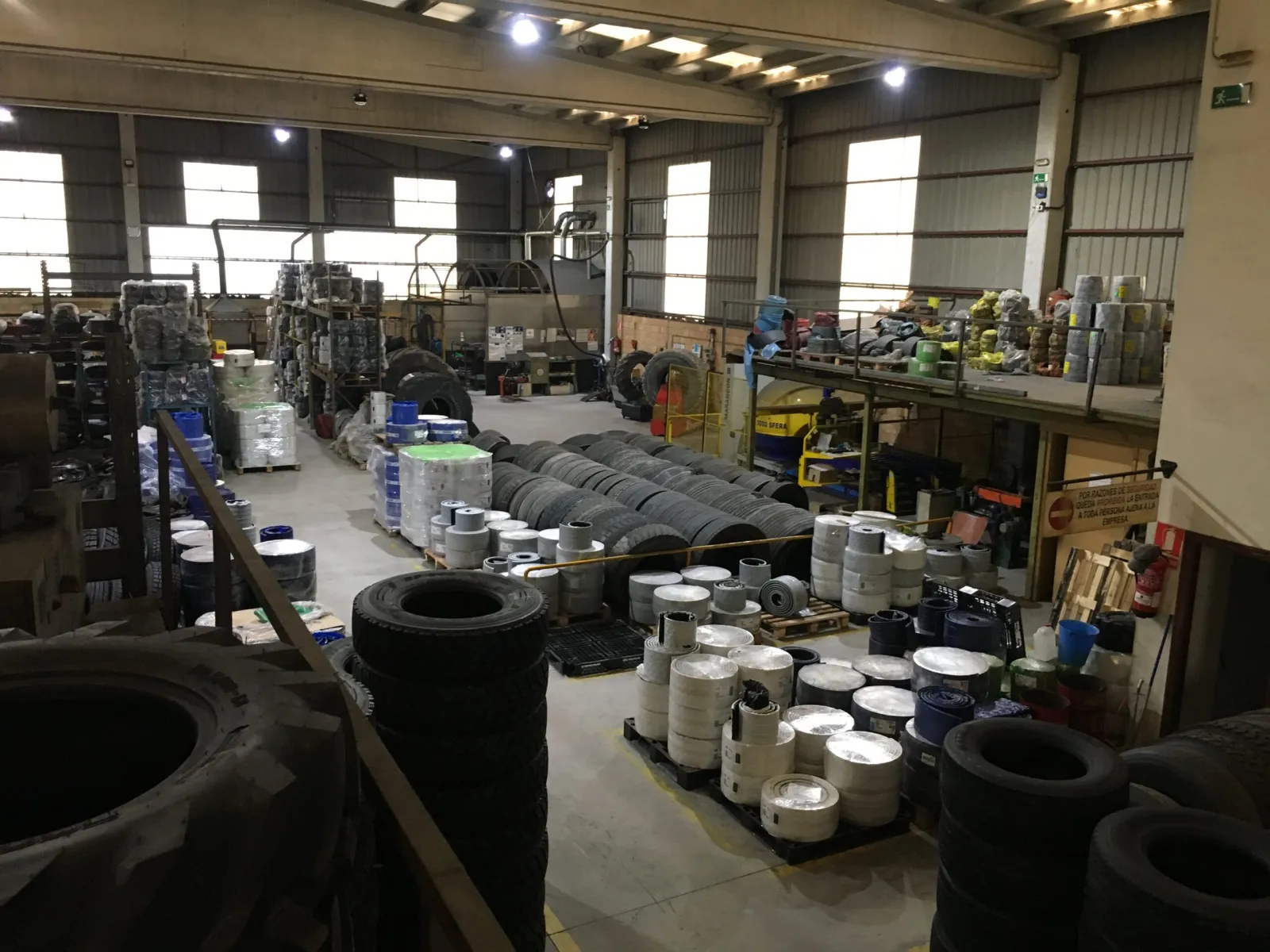

The Asociación Española de Neumáticos Reciclados (AER) has welcomed the recent decision adopted by the European Commission as part of the simplification process for Regulation (EU) 2023/1115 on deforestation-free products (EUDR), which excludes retreaded tyres as a final product from its scope.
Good News for EU Retreaders
This is a particularly important development for the retreading industry, as it provides greater clarity on the regulatory treatment of this product and avoids subjecting an activity that is clearly linked to extending service life, reusing resources, and supporting the circular economy to regulatory burdens that were not properly aligned with its industrial reality.
The measure forms part of the package adopted by the European Commission to facilitate the implementation of the EUDR and, in doing so, improve legal certainty for businesses, authorities, and operators affected by this regulatory framework. In this context, the update to Annex I of the Regulation redefines the scope of certain derived products and expressly excludes retreaded tyres from the Regulation’s scope.
For the sector, this decision marks an important step. Retreading is not a marginal or residual activity within the tyre life cycle, but one of the clearest examples of the circular economy applied to industry. Extending the service life of a casing through renewal avoids the manufacture of a new tyre, reduces raw material consumption, cuts waste generation, and makes it possible to continue benefiting from the technical and industrial value of a product that can still deliver safe and efficient performance.
AER considers that this development is a step in the right direction, as it allows for an approach that is more consistent with the industrial and environmental logic of retreading. Excluding retreaded tyres from the scope of the EUDR avoids imposing additional obligations on a product that, precisely, represents a solution aligned with the principles of circularity, resource efficiency, and reduced environmental impact that the European Union itself has been promoting in other regulatory and strategic frameworks.
However, the Association points out that this amendment has not yet completed its full institutional process. Although the delegated act has already been adopted by the Commission, it must now complete the relevant scrutiny procedure before definitively entering into force.
AER also underlines that this exclusion affects retreaded tyres as a final product, which helps reduce regulatory uncertainty for companies in the sector. At the same time, the Association will continue to analyse closely the practical implications of this amendment across the supply chain, as well as any further developments that may arise from the EUDR implementation process.
In parallel, the overall timetable of the Regulation remains unchanged, meaning that the EUDR obligations will continue to apply, under the terms set out in the European legislation, from the end of 2026 for large and medium-sized companies and, in 2027, for micro and small companies.
For AER, this development represents an important recognition of the specific nature of retreading within the tyre sector and reinforces an idea that the Association has long defended: that European policies must be aligned with the reality of industrial activities that generate environmental, economic, and social value.
The Association will continue to monitor the progress of this matter closely and will keep its members informed of any developments or additional guidance that may be of interest to the sector.