Public procurement is a primary economic tool. It represents nearly 14% of GDP in OECD countries. In Spain, it accounts for approximately 10%, a figure that demonstrates its significant capacity to guide the market towards sustainability. Javier de Jesús Landesa, Operational Director of Tratamiento Neumáticos Usados (TNU), recently outlined the key criteria for discussion on green public procurement (GPP).
A Technical, Economic, and Strategic Decision
Jesús Landesa points out that, for retread tyres, GPP is not a rhetorical issue, but a strategic decision to advance environmental sustainability, industrial competitiveness, and economic resilience.
In Spain, fewer than one in five public contracts incorporate environmental, social, and innovation criteria. In the European Union, estimates place GPP between 20% and 40%, with some countries progressing more decisively in its application.
Within the tyre sector, specifically in retreading, this capacity is particularly relevant yet remains underutilised. The Spanish regulatory framework is clear: Law 9/2017 on Public Sector Contracts permits the incorporation of environmental and life-cycle criteria into tender specifications. European circular economy policy and national green procurement plans reinforce this direction.
The challenge is not whether implementation is possible, but whether the political will exists to do so.
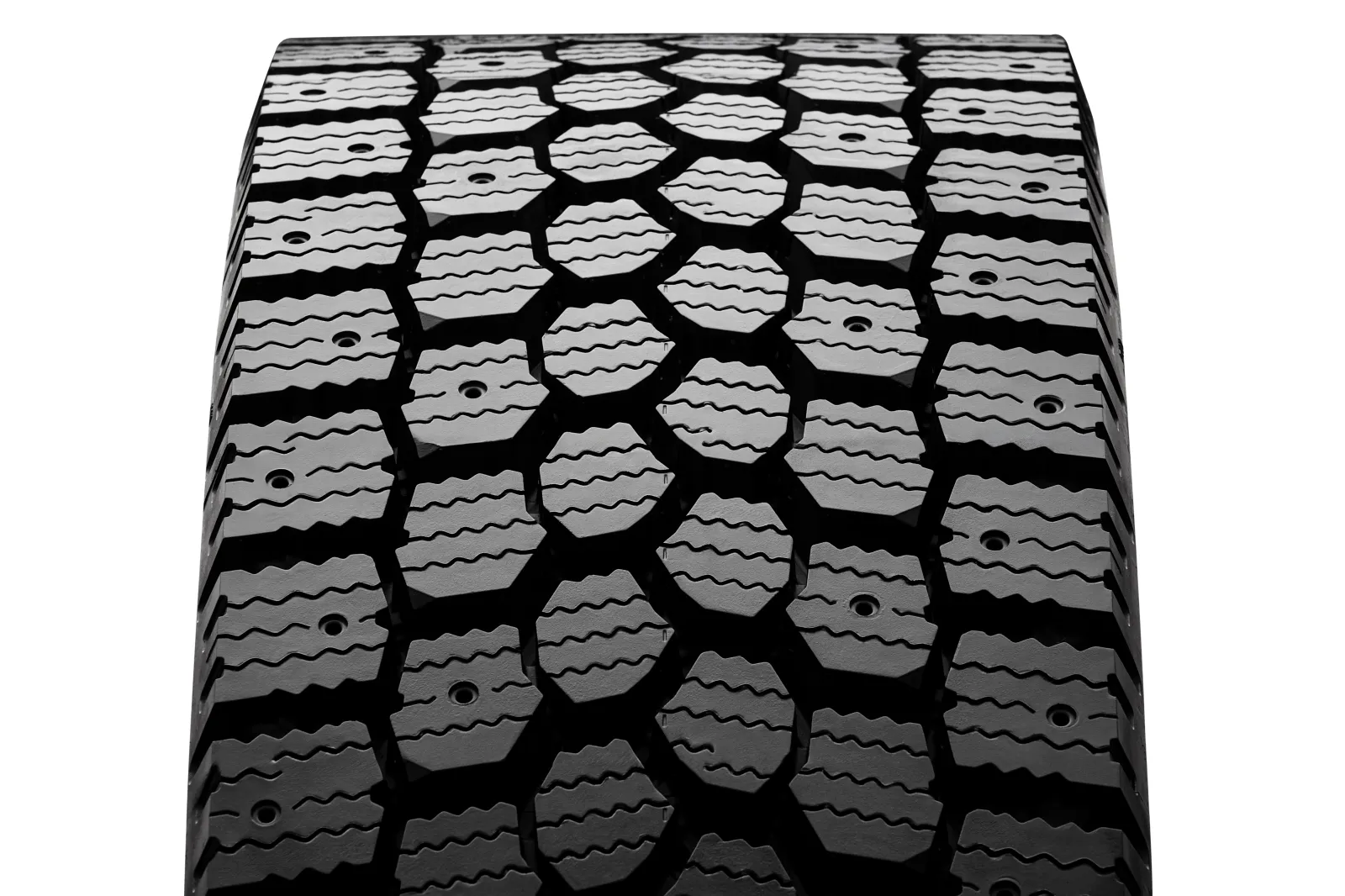
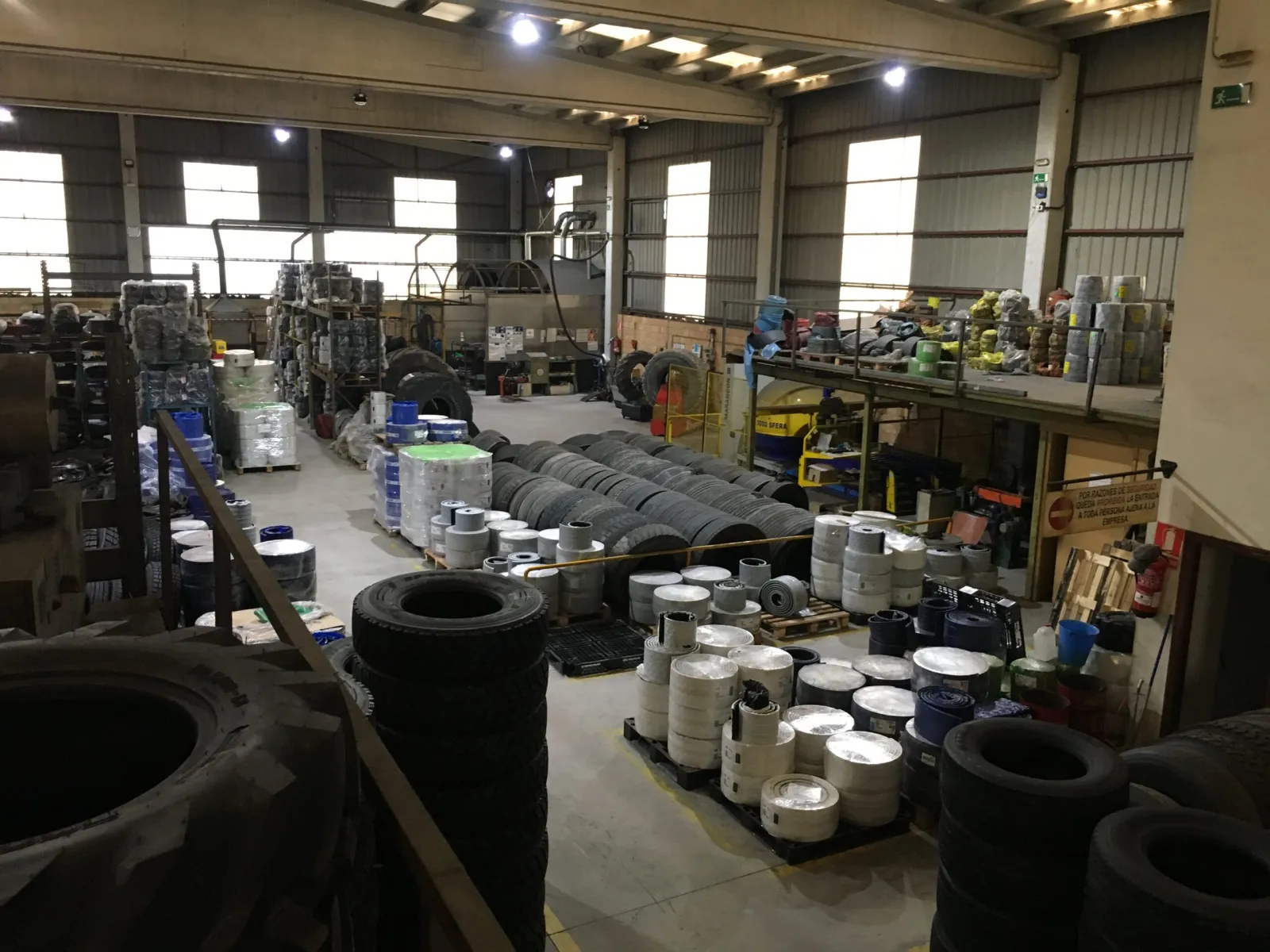
Tyre retreading is a consolidated industrial practice with environmental benefits that have been quantified through Life Cycle Analysis (LCA) studies. For truck and bus tyres, retreading:
- Reduces CO2 emissions by approximately 52% compared to manufacturing an equivalent new tyre.
- Saves up to 70% of raw materials.
- Reduces energy consumption in the production process by approximately 45%.
Consequently, retreading has a direct, measurable impact on the carbon footprint of public fleets. In a context of increasing decarbonisation requirements, these data are essential and align with the climate commitments of public administrations.
Oil: A Strategic Variable
Approximately 50% of a tyre’s weight consists of petroleum-derived materials. Manufacturing a passenger car tyre requires the equivalent of 23.5 litres of oil, while a truck tyre requires more than 140 litres per unit. Retreading reduces this dependency:
- 45% lower oil consumption for passenger car tyres.
- More than 69% lower for truck tyres.
Each retreaded tyre implies lower consumption of fossil resources and reduced vulnerability to energy volatility.
Economic Efficiency and Industrial Employment
Sustainability must be accompanied by economic rationality. In heavy transport, retreading optimises the cost per kilometre by extending the casing’s useful life. It can reduce the total cost of ownership for public and private fleets by 20% to 30% compared to a model based exclusively on new tyres.
However, the impact is not only economic and environmental. Retreading generates green, skilled, and stable employment, particularly in areas with low economic or population density. It supports approximately 32,000 jobs in the European Union, including 1,600 in Spain, linked to specialised, high-value-added industrial processes.
Compared with importing low-cost products, which often lack clear environmental traceability, retreading strengthens national and European industrial chains.
Coherence in Procurement
Some tender specifications still require “new tyres” as a mandatory requirement, without incorporating comparative life-cycle analyses or environmental impact assessments.
Green public procurement does not involve imposing solutions, but rather evaluating alternatives that meet safety standards. Retreaded tyres manufactured in Spain must comply with UNECE Regulations R108 and R109, which guarantee the same approval and safety requirements as a new tyre.
Spain possesses the legal framework, industrial capacity, and technical experience necessary to advance in this area. Clear examples of application include:
- France: Incorporation into public fleet tenders.
- Italy: Use in public transport and machinery contracts.
- United States: Regulatory support from the RCRA and Environmental Protection Agency (EPA) guidelines.
- Spain: Empresa Municipal d’Aigües i Clavegueram (EMAYA) in Palma includes both new and retreaded tyres in its tender specifications.
These cases demonstrate that green public procurement is viable, safe, and economically efficient. Public procurement can accelerate the transition to a real circular economy. Converting that capacity into effective action is now a strategic decision. It is hoped that this example will be followed by others.